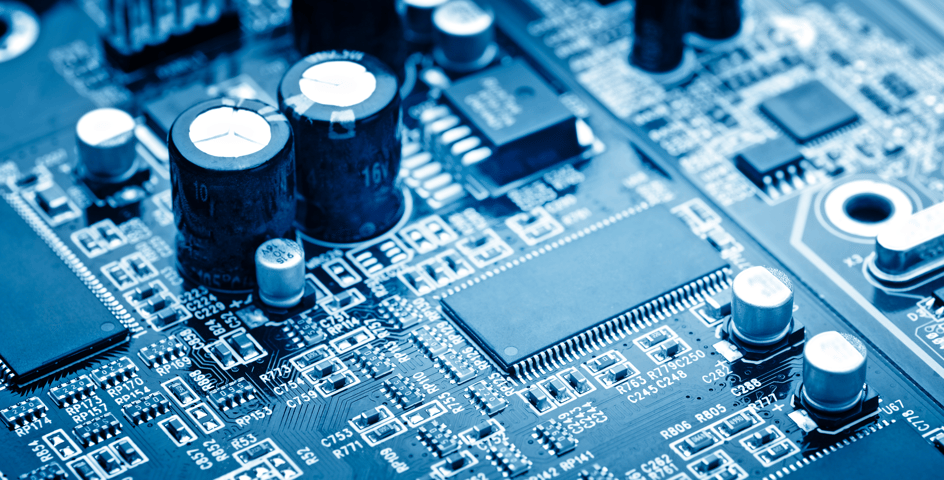
Interfacial interactions are key parameters in many processes in electronic industry such as in chemical mechanical polishing, adhesion of thin films and coatings as well as cleanliness of the electronic materials and components. Biolin Scientific offers tools in understanding and optimizing these processes which are crucial for ensuring reliability and performance of electronic devices. 

Application areas

  • Cleanliness
  • Cleaning efficiency
  • Adhesion of thin films
  • CMP slurry additive and abrasive - surface interaction
  • Analysis of residue removal
  • Analysis of etching dynamics

Why choose Biolin Scientific?

Biolin Scientific offers tools to analyze different aspects of surface cleanliness to ensure reliable operation of the electronic components. Our instruments enable both quick check of the surface quality as well as more in-depth analysis of the cleaning process. With contact angle measurements, surface hydrophilicity and -phobicity can be quickly measured to evaluate the cleanliness of the surface. QCM-D (Quartz Crystal Microbalance with Dissipation monitoring) technology offers a tool to study CMP slurry additive and surface interactions more in detailed to finetune the slurry mixtures used. It also allows fors analysis of removal rates as well as amount of residuals after cleaning.   

Contact angle measurement of HMDS treated silicon

Cleanliness of wafers and other electronic components

Contact angle measurements with optical tensiometer offer a quantitative method for assessing the cleanliness of silicon wafers and other electronic components. Water contact angle offers quick and non-destructive method to check the surface cleanliness. 

conformal coating adhesion-2

Adhesion between conformal coating and PCB board

Adhesion failure is one of the most common problems to cause quality issues in electronic components. The ensure proper adhesion between the PCB board and the conformal coating, the surface properties of the PCB need to be optimized. Contact angle measurements are used to evaluate the properties of the surfaces prior coating and bonding. 

Download white paper

CMP analysis additive surface interaction

Analyze post CMP-cleaning and residue removal

Contamination control and surface cleanliness are crucial for successful silicon processing. QCM-D enables time-resolved analysis of how contaminants adsorb to and desorb from surfaces under different cleaning conditions, helping you assess residue removal and optimize post-CMP cleaning efficiency. 

Using QSense to assess cleaning efficiency

Assess and optimize cleaning efficiency

In electronics manufacturing, surface cleanliness is critical to performance and reliability. QCM-D technology enables time-resolved, nanoscale analysis of cleaning dynamics, residue removal and surface changes, helping you assess cleaning efficiency and optimize products and protocols for surface-critical processes.

QCM-D vs SPR

Analyze CMP slurry additive and abrasive interaction with surfaces

CMP performance depends on how abrasive particles and slurry additives interact with surfaces during processing. This case study shows how QCM-D can characterize abrasive–surface interactions and assess how additives influence them, supporting slurry development and CMP protocol optimization.

InstruMentor logo

Let’s find the best tensiometer for your application!

Our tensiometer selector guides you to your optimal instrument.

Try the instrument selector