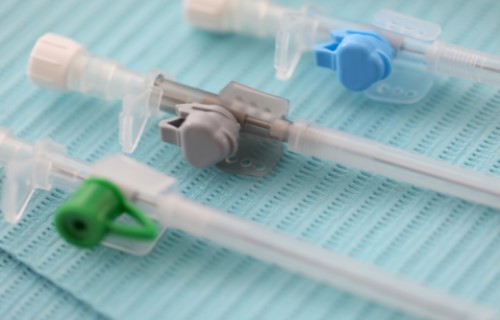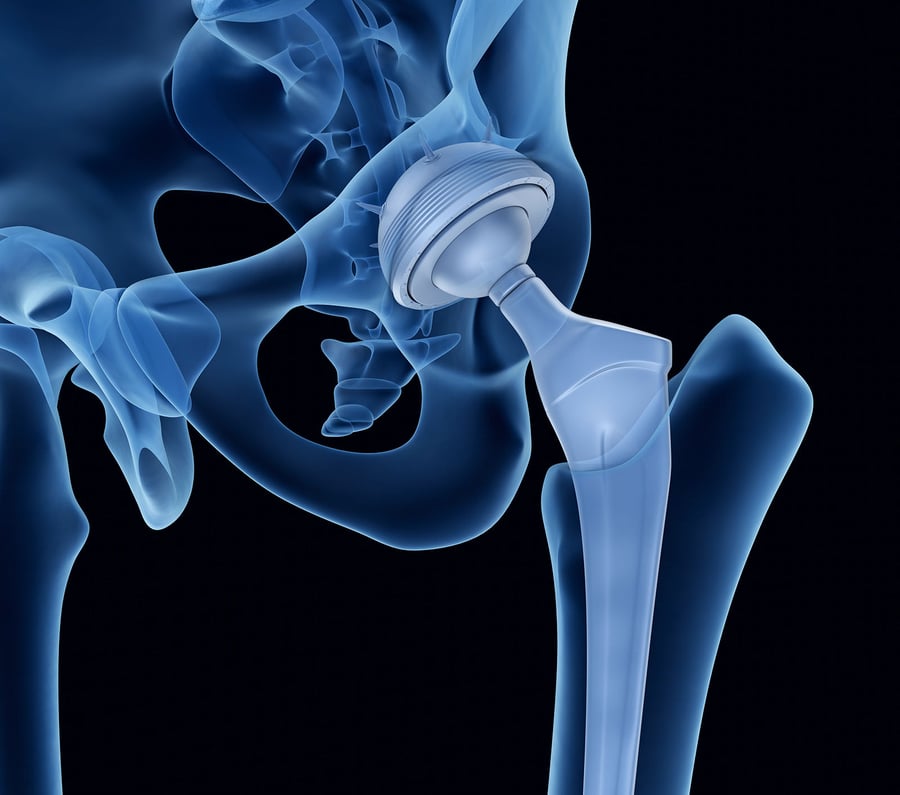
Coatings are applied to a variety of biomedical devices, including implants, sensors, catheters, coronary stents and neural electrodes, to enhance their biocompatibility and functionality in their intended applications. Coatings improve the compatibility of devices with biological tissues, reducing the risk of adverse reactions.
Optical tensiometers are an invaluable tool in the analysis and characterization of biomedical coatings. They provide quick and precise measurements that are crucial for understanding the interactions between coatings and biological environments.
Biolin Scientific offers award-winning optical tensiometers that are used by top universities and companies worldwide, progressing the development of advanced biomedical coatings.
.png?width=900&name=Namnl%C3%B6s%20design%20(12).png)
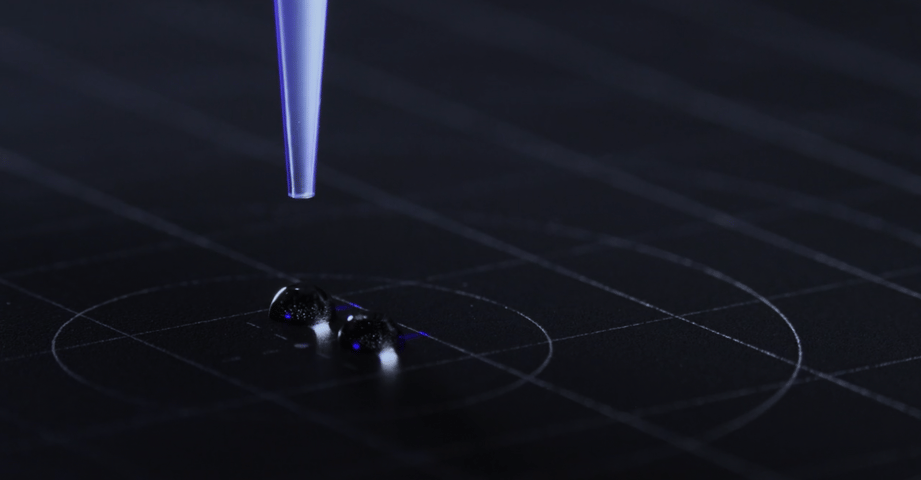
Wettability of biomedical coatings is crucial as it affects protein adsorption, cell adhesion, blood coagulation and bacterial colonization, significantly influencing the interaction between the coating material and biological tissues.
To learn about most used wettability measurement methods in biomedical device development, download white paper "Wettability Measurements in Biomedical Applications".
-1.webp?height=480&name=biolin-water-on-hydrophobic-fabric%20(1)-1.webp)
Our optical tensiometers offer several measurement possibilitiess to study coatings on biomedical devices.





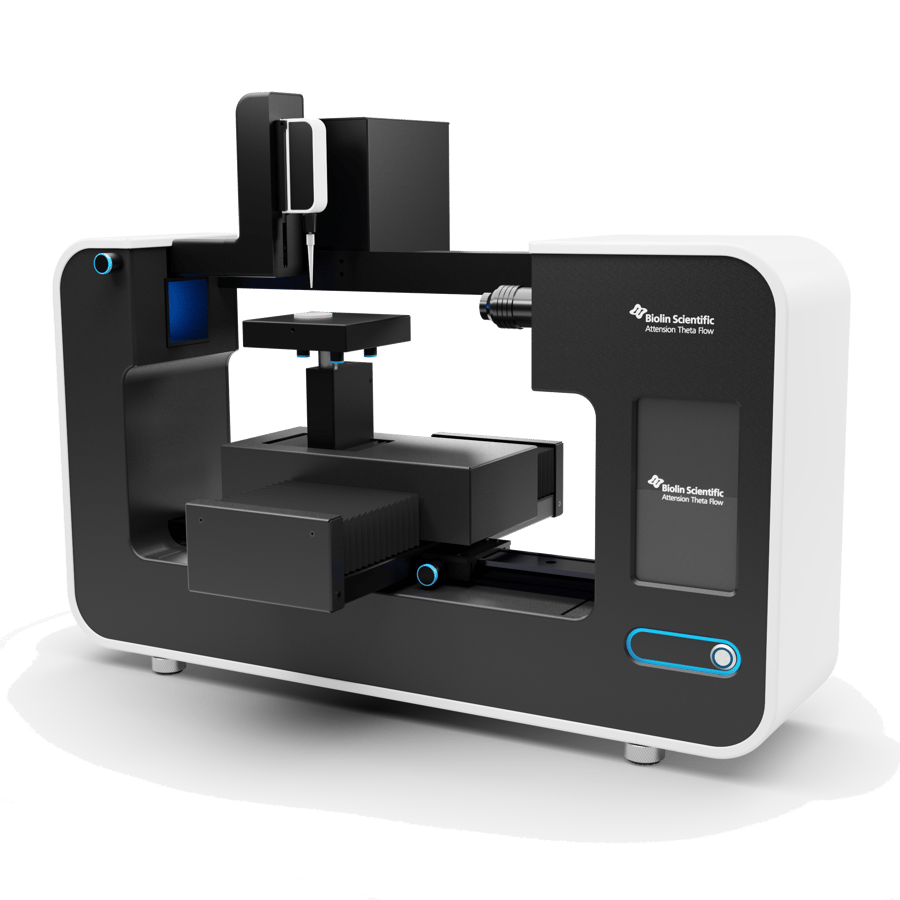
Many surface modification and coating technologies influence both surface chemistry and roughness. Understanding the mechanisms that impact wetting by separating these two factors can be a useful tool in product development processes and in quality control. Roughness correction on contact angles also enables the calculation of fundamental surface free energy on rough surfaces.
We offer a unique solution to measure 3D surface topography and contact angle in the same exact sample location, making it possible to separate the influence of surface chemistry from surface roughness on wetting and adhesion behavior.
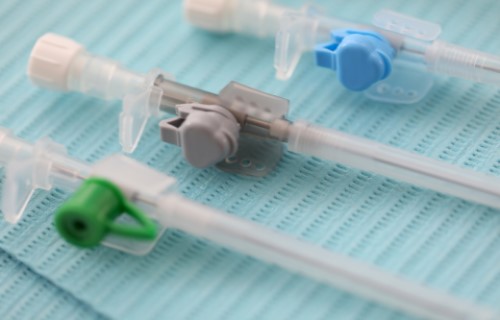
Download case study "Evaluation of Biomedical Coating with Contact Angle Measurements"
Read our blog post on "Hydrophilic coatings to improve protein resistance of biomedical devices".
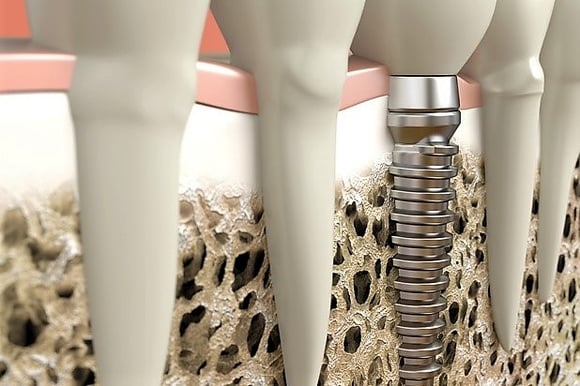
Read our blog post on "How surface roughness and wettability affects biocompatibility"

Download our white paper on "Adhesion -how to use contact angle measurements to predict adhesion and bonding."