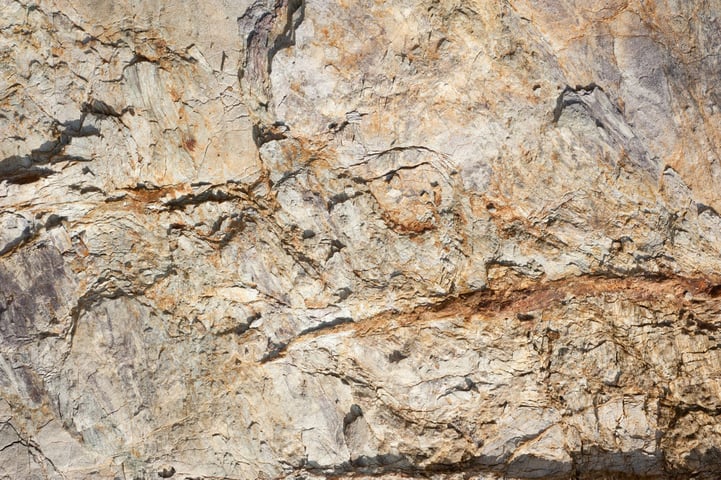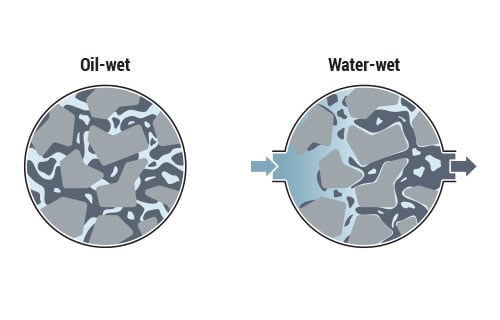
Wettability plays a key role in how easily oil can be recovered from reservoir rock. Depending on the rock–fluid interactions, reservoirs can be water-wet, mixed-wet or oil-wet. In oil-wet systems, oil adheres more strongly to the rock surface, which can limit recovery and reduce the efficiency of water flooding.
Enhanced oil recovery methods often aim to shift wettability toward more water-wet conditions. Strategies such as surfactant flooding, nanofluids, CO₂ injection and low-salinity or smart-water flooding can influence wettability and interfacial tension, helping mobilize trapped oil.
Contact angle and interfacial tension measurements make these changes measurable. By studying rock, oil, brine and EOR fluids at defined pressure, temperature and fluid compositions, you can compare formulations, understand wettability alteration and support better recovery decisions.
Nanoparticles are being explored as enhanced oil recovery agents because they can help alter reservoir wettability and reduce interfacial tension between oil and the flooding fluid.
In a University of Calgary study, naturally derived silicate-based nanopyroxene nanoparticles were formulated into nanofluids and evaluated using sandstone cores. With Attension Theta High Pressure, the researchers measured interfacial tension and contact angle to assess how the nanofluids performed compared with brine.
The nanofluids reduced interfacial tension, shifted the sandstone surface toward more water-wet conditions, and supported an additional 11% oil recovery after brine flooding in core flooding experiments.
Download the case study below to see how Theta High Pressure was used to evaluate nanoparticle-based EOR fluids.
-1.webp?height=480&name=biolin-water-on-hydrophobic-fabric%20(1)-1.webp)




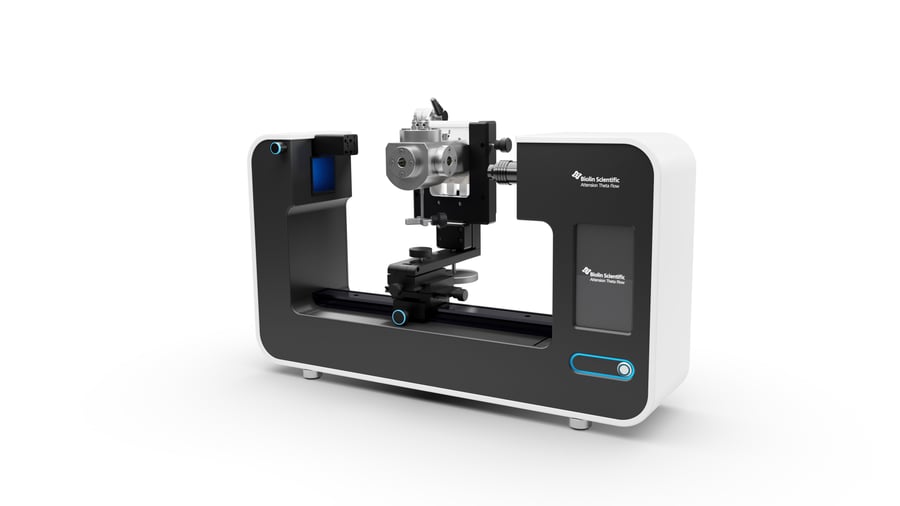
Theta High Pressure is Biolin Scientific’s optical tensiometer for high‑pressure, high‑temperature contact angle and interfacial tension measurements. It allows you to study wettability at pressures and temperatures representative of real reservoirs.
With Theta High Pressure you can:
Download our white paper on "Wettability Measurements for Enhanced Oil Recovery Optimization".
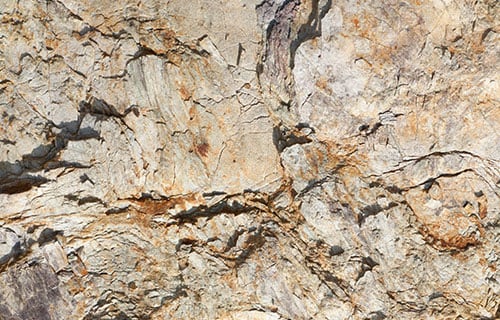
Download case study "Wettability alteration in carbonate reservoir"
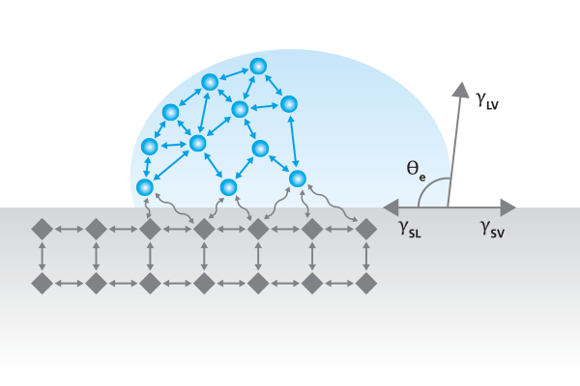
Read our blog post on "Why is Wettability Important in Enhanced Oil Recovery?"
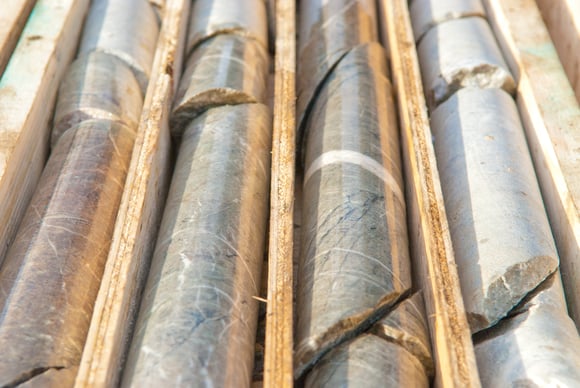
Read our blog post on "Enhanced Oil Recovery: How to Measure the Wettability of Carbonate Reservoir Core?"