Performance in water purification, desalination, pollutant remediation and fouling control is often shaped by processes hidden at solid–liquid interfaces. QSense QCM-D helps you analyze how contaminants, particles, biofilms, membranes, sorbents and coatings interact in real time. By revealing adsorption, desorption, layer build-up, removal and viscoelastic properties, it supports material selection, fouling control and cleaning strategy development.
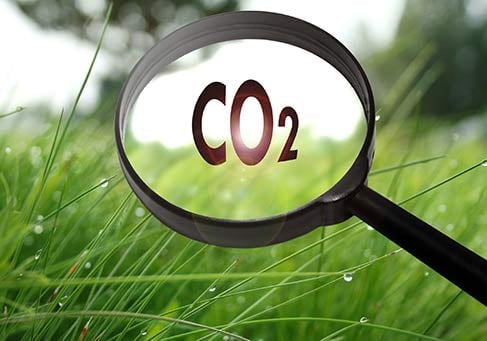
In carbon capture and storage (CCS), understanding how CO₂ interacts with subsurface fluids and rock formations is essential.
With Biolin Scientific’s tensiometers, you can accurately measure contact angle and interfacial tension —key parameters that influence CO₂ migration and trapping. These measurements help you select the most effective surfactant, design safer injection strategies, and ensure secure, long-term CO₂ storage.
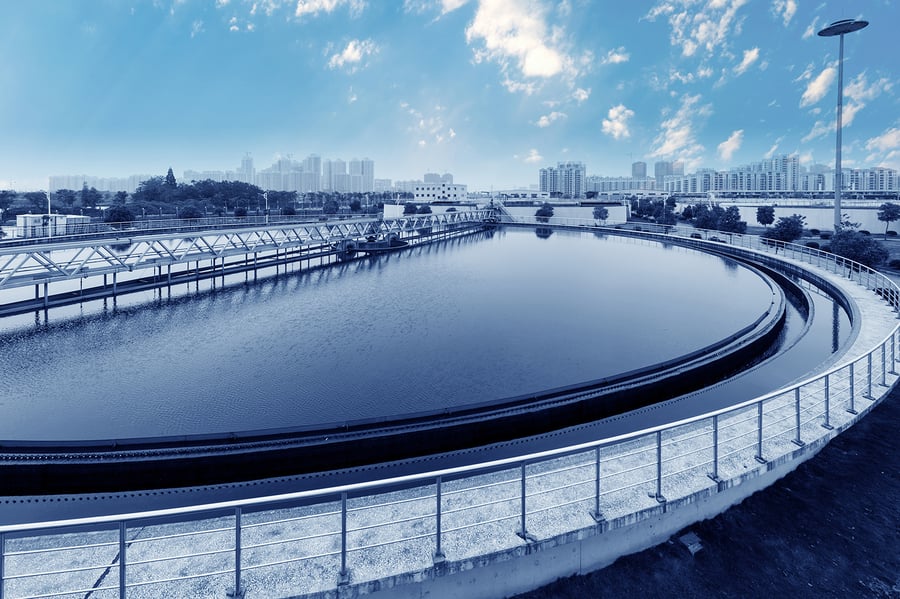
Membrane fouling is a major challenge in water treatment processes such as wastewater purification and seawater desalination, reducing filtration efficiency and increasing operational costs. Understanding how fouling layers form and how they can be removed is essential for optimizing membrane performance and ensuring a reliable supply of clean water. QSense QCM-D provides real-time insight into fouling layer build-up, removal and antifouling performance, helping you compare materials, evaluate coatings and optimize cleaning strategies.
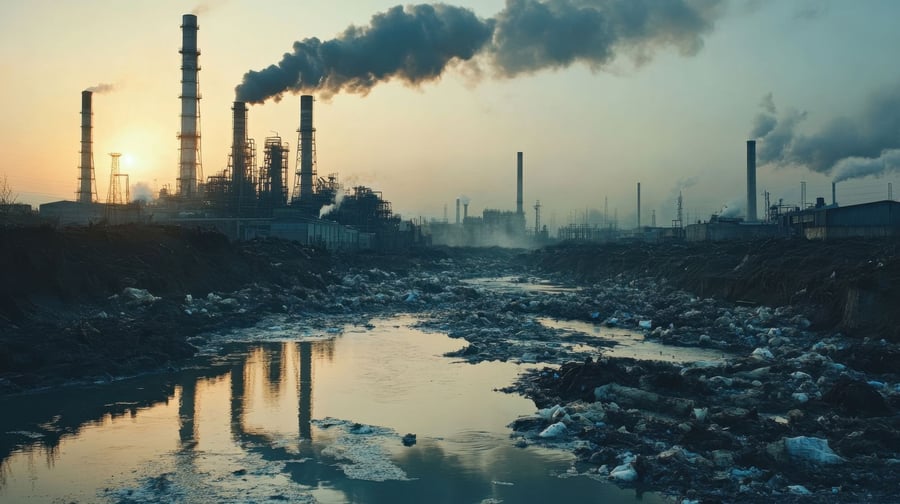
For researchers tackling pollution cleanup and bioremediation, understanding and optimizing surfactant performance is essential. Surfactants play a crucial role in dispersing and removing contaminants. Biosurfactants are especially valuable for sustainable, eco-friendly bioremediation, offering a green alternative to synthetic surfactants.
Biolin Scientific’s tensiometers provide fast, accurate measurements of surface tension, interfacial tension, and critical micelle concentration (CMC) —key parameters that determine how effectively biosurfactants mobilize pollutants. With our instruments, you can quickly compare biosurfactant performance, determine optimal dosing, and ensure your bioremediation strategies are both efficient and environmentally responsible.
Fouling—the unwanted accumulation of materials on surfaces—is a major challenge across multiple industries including pharmaceutical manufacturing, food processing, and water treatment, reducing efficiency and increasing operational costs. Understanding how fouling layers form and can be effectively removed is essential for optimizing performance. QSense QCM-D offers real-time insights into fouling behavior and cleaning strategies, enabling better process management across diverse applications.

Try the instrument selector