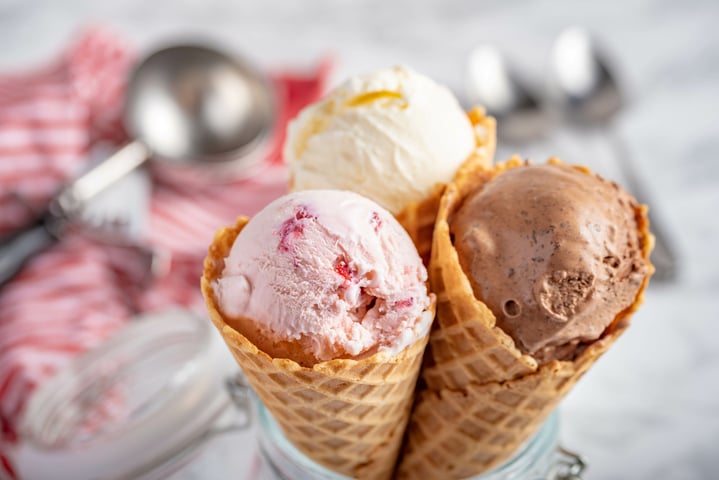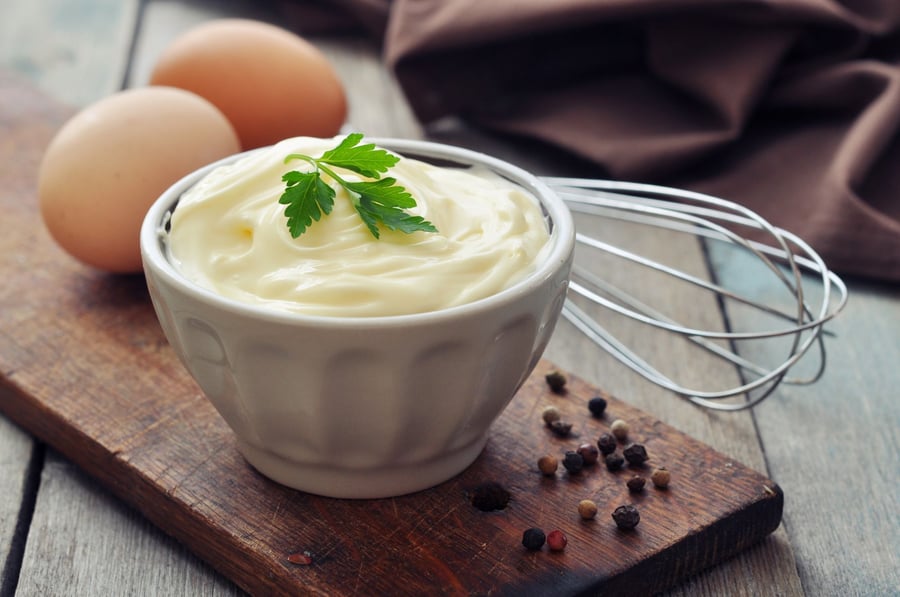
Biolin Scientific optical and force tensiometers help food and beverage R&D teams understand and control the stability of emulsions and foams. Typical systems include mayonnaise, dairy creams, whipped toppings and ice cream, beverage flavor emulsions, as well as nanoemulsions and high internal phase emulsions for fat replacement and delivery of bioactive compounds.
By measuring surface and interfacial tension and interfacial rheology, the instruments show how quickly proteins and surfactants adsorb at interfaces. They also reveal how strong and elastic those interfacial layers become over time. This makes it easier to predict creaming, phase separation, or foam collapse before shelf‑life tests. You can compare alternative emulsifiers, and set quantitative QC limits that reduce trial‑and‑error in formulation and scale‑up.
To learn how to predict emulsion stability using dilatational interfacial rheology, watch our free webinar below.
Designing food and beverage products that deliver the right taste, appearance, and shelf life is challenging, as ingredients can behave unpredictably under biologically and formulation‑relevant conditions. Understanding how these components interact with mimics of biological surfaces and interfaces, as well as with encapsulation systems and beverage matrices, is essential for optimizing sensory experience, stability, and overall product performance. QSense QCM‑D is a surface-sensitive technology used to analyze molecular interactions at surfaces and interfaces. In this podcast episode, we discuss how it provides real-time, surface-specific insight into how, for example, flavors and sensitive natural colorants adsorb, reorganize, and degrade, enabling food scientists to develop more robust formulations and achieve controlled flavor and color profiles.
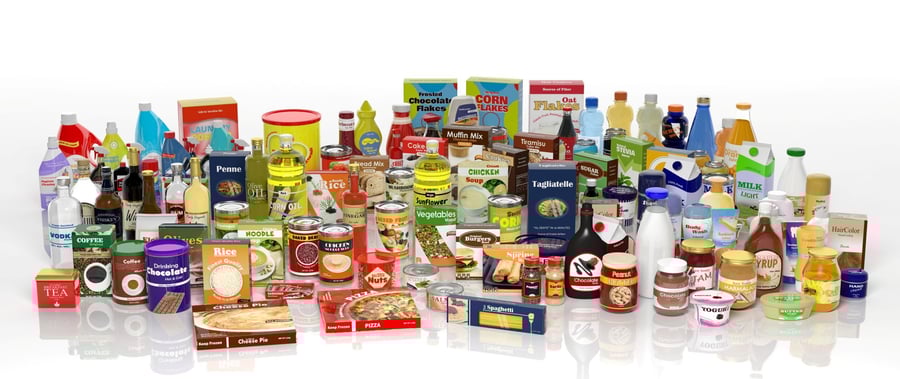
Biolin Scientific optical tensiometers help food and beverage packaging developers measure and control surface wettability, so that adhesives, printing inks and functional coatings perform as intended. By combining precise contact angle and surface free energy measurements, our instruments reveal how well liquids wet, spread, or repel on plastic films, paper and paperboard, and multilayer packaging structures after surface activation or cleaning.
This makes it easier to tune coating and laminate formulations, verify that surfaces are properly prepared, and set quantitative QC limits for printability, adhesion, and barrier coatings – from primary food contact layers to secondary and tertiary packaging.
As the industry shifts from fluorinated to PFAS‑free coatings, contact angle and surface tension measurements also provide a fast way to compare alternative chemistries and ensure they deliver reliable protection for food products.
To dive deeper into how wettability measurements support better food packaging, read our blog post below.
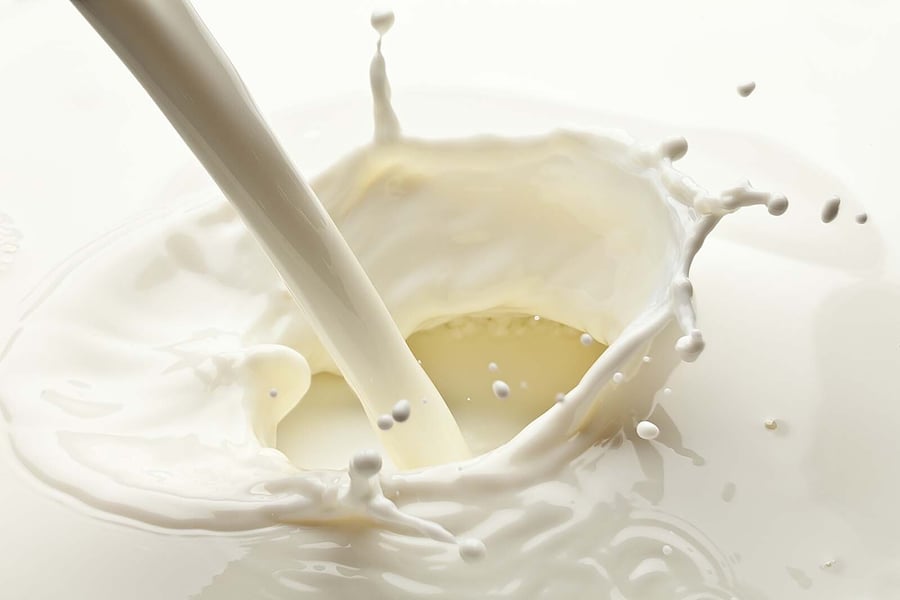
Milk fouling during thermal processing, such as pasteurization, is a major challenge in dairy and beverage production, reducing heat-transfer efficiency, shortening run times, and increasing cleaning costs. Understanding how milk components deposit on stainless steel surfaces, how temperature profiles influence fouling layer structure and strength, and how these layers respond to caustic cleaning is essential for optimizing CIP protocols and ensuring hygienic, efficient operation. QSense QCM‑D enables time-resolved analysis of milk deposit formation and removal under process-relevant conditions, providing molecular-level insight that supports better cleaning strategies and more reliable production; in this podcast episode, we discuss how these principles are applied in research on fouling and cleaning during thermal milk processing.

Try the instrument selector