In a hurry?

See how QSense Edge Energy combines premium QCM-D data quality...

Proven in published research

Explore 20 000+ publications featuring instruments from the QSense, Attension and KSV NIMA portfolio, across a wide range of research areas and applications.
Comprehensive characterization of gas diffusion through graphene oxide membranes
Graphene oxide (GO) based multi-layered membranes have ...
Adsorption of Tannic Acid onto Gold Surfaces
Thin film coatings are widely applicable in materials ...
Environmentally stable and stretchable polymer electronics enabled by surface-tethered nanostructured molecular-level protection
Stretchable polymer semiconductors (PSCs) are essential ...
Adsorption and Lubrication of Glutamic Acid-Based Surfactant with Calcium Ions
The adsorption and lubrication of an amino acid-based ...
Interfacial adsorption behavior of the Aspergillus oryzae lipase-chitosan complex and stability evaluation of the resultant Pickering emulsion
To prompt the application of the chitosan ...
Assembly of zein/propylene glycol alginate nanoparticles in aqueous ethanol and the binding kinetics
The interaction between zein and propylene glycol ...
Temperature and concentration dependence of the electrochemical PtHg4 alloy formation for mercury decontamination
New and improved methods to remove toxic mercury from ...
Synergy Effect between Sodium Oleate and Alcohol Ethoxylates on the Reverse Flotation of Quartz
In this study, an optimized method was presented for ...
Silicon Nitride Selective Functionalization with Aqueous Cellulose
In semiconductor device manufacturing, it is often ...
Moisture-induced electrical power generation with waste activated sludge
Moisture-induced power generation from pure bacterial ...
Lubrication mechanism of a strong tribofilm by imidazolium ionic liquid
Friction modifiers (FMs) are surface-active additives ...
Study of SARS-CoV-2 Spike Protein Wild-Type and the Variants of Concern Real-Time Interactions with Monoclonal Antibodies and Convalescent Human Serum
The spike (S) protein and its receptor-binding domain ...

Phenomena

In some cases add on migt be required.
  • 07-active-mass-changes
    Active mass changes
  • 02-viscoelastic-interface-growth
    Viscoelastic interface growth
  • 03-swelling-hydration
    Swelling or hydration
  • 04-trapped-liquid-porosity
    Trapped liquid or porosity
  • 05-surface-roughening-structural-change
    Surface roughening or structural change
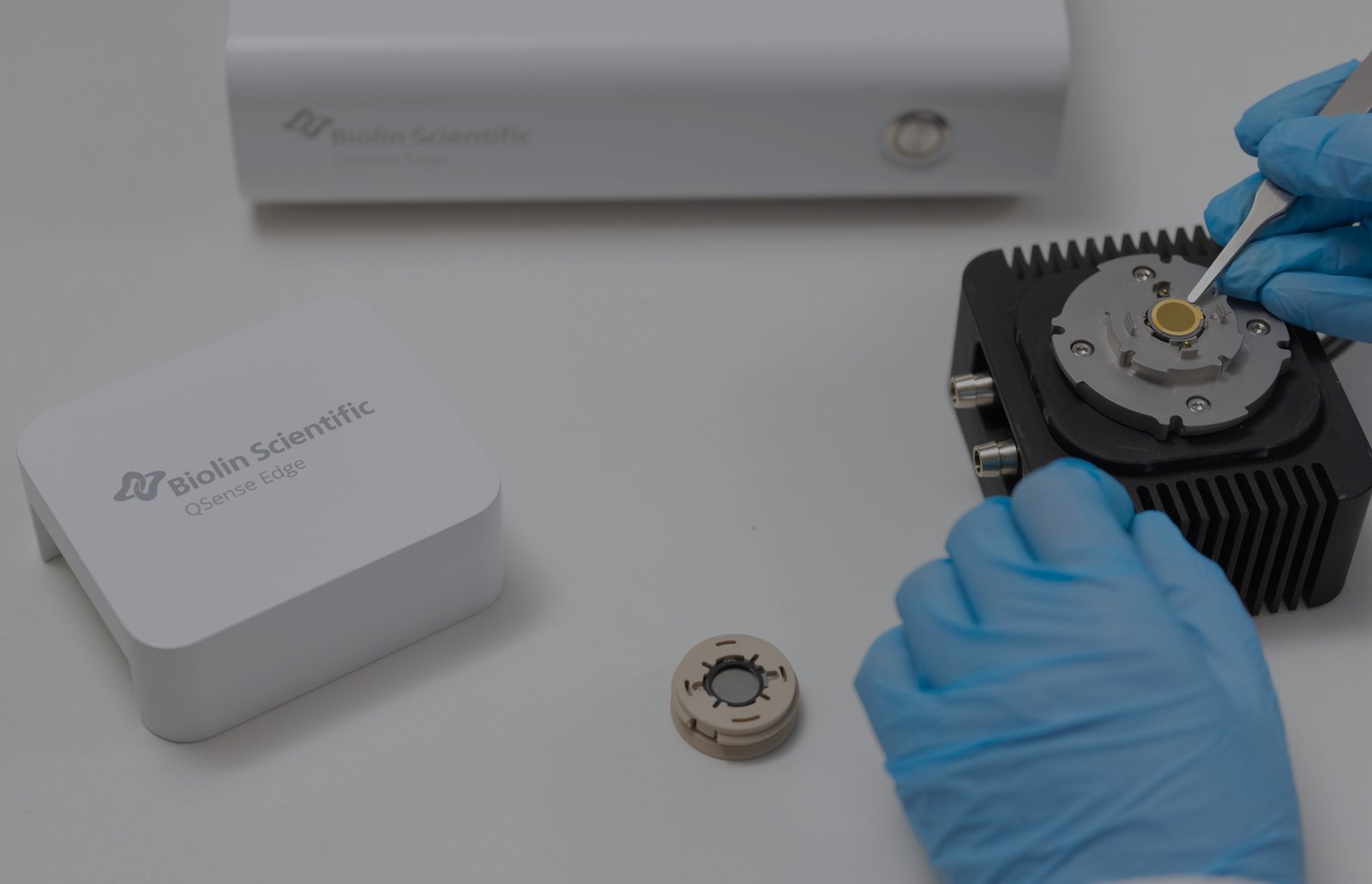
Purpose-built for energy storage and conversion

Dedicated cells designed around battery and electrochemistry workflows
with glove-box-compatible assembly, a pseudo-reference electrode and materials validated for non-aqueous electrolytes.

Key features

  • Potentiostat integration

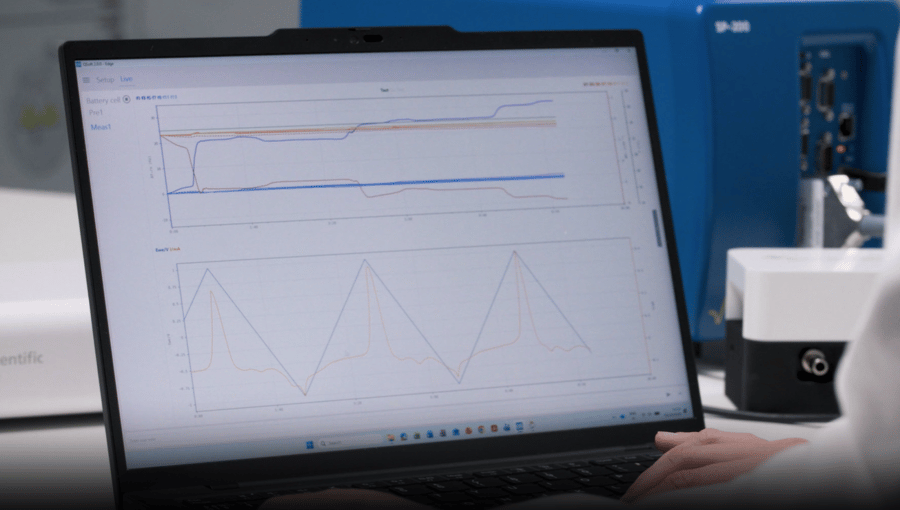
    Plug-and-play connection to the BioLogic SP-200 and SP-300 potentiostats, with QCM-D and electrochemistry data shown live together in QSoft Edge and exported as one synchronized dataset, time-aligned to ≤100 ms. Prefer your own potentiostat? Trigger and common time-zero keep your measurements synchronized – the integrated live view in QSoft Edge remains available with mentioned BioLogic potentiostats.
  • Two configurations-one platform

    Switch between the open Flex Holder and the gas-sealed Battery Cell on the same instrument, from µL scale volumes to beaker setups.
  • See beyond mass with dissipation

    Measure frequency and dissipation at seven harmonics to tell a true mass change apart from swelling, softening or trapped electrolyte, and get thickness, viscosity and shear modulus through full viscoelastic modelling.
Complete analysis set-up

QSOFT AND DFIND SOFTWARE

image (48)

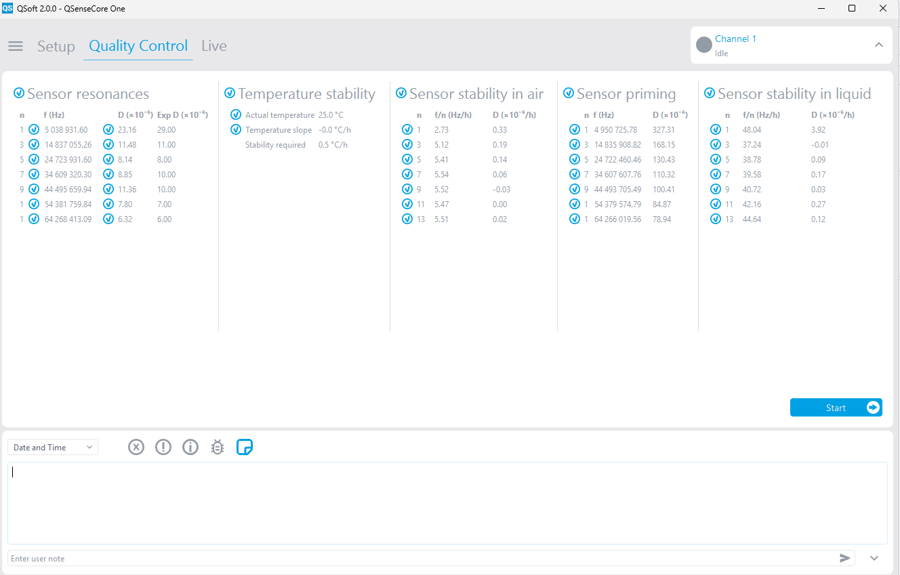
QSense software is tailored to help you maximize the potential of your QCM-D measurements. With QSoft capturing your data and Dfind simplifying your analysis, you can streamline your research process effortlessly.

Measurement conditions

  • Stagnant mode
  • 01-electrochemistry
    Electrochemistry
  • 02-non-aqueous-electrolytes
    Non aqueous electrolytes
  • 04-small-sample-volume
    Small sample volume
  • 08-high-temperature
    High temperature
  • Low temperature
  • 03-oxygen-free-atmosphere
    Oxygen free atmosphere
  • 05-long-term-measurements
    Long term measurements

A closer look

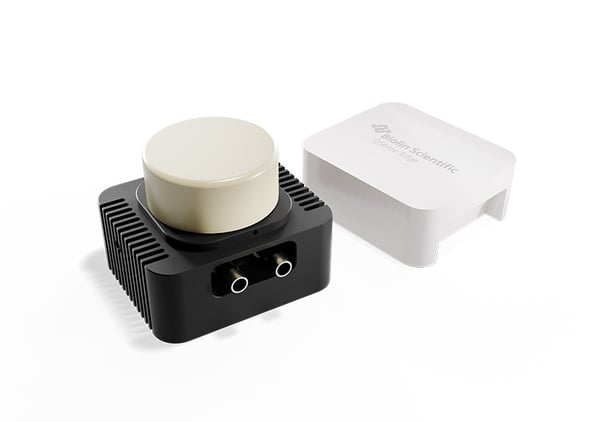
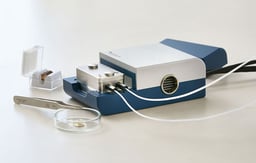
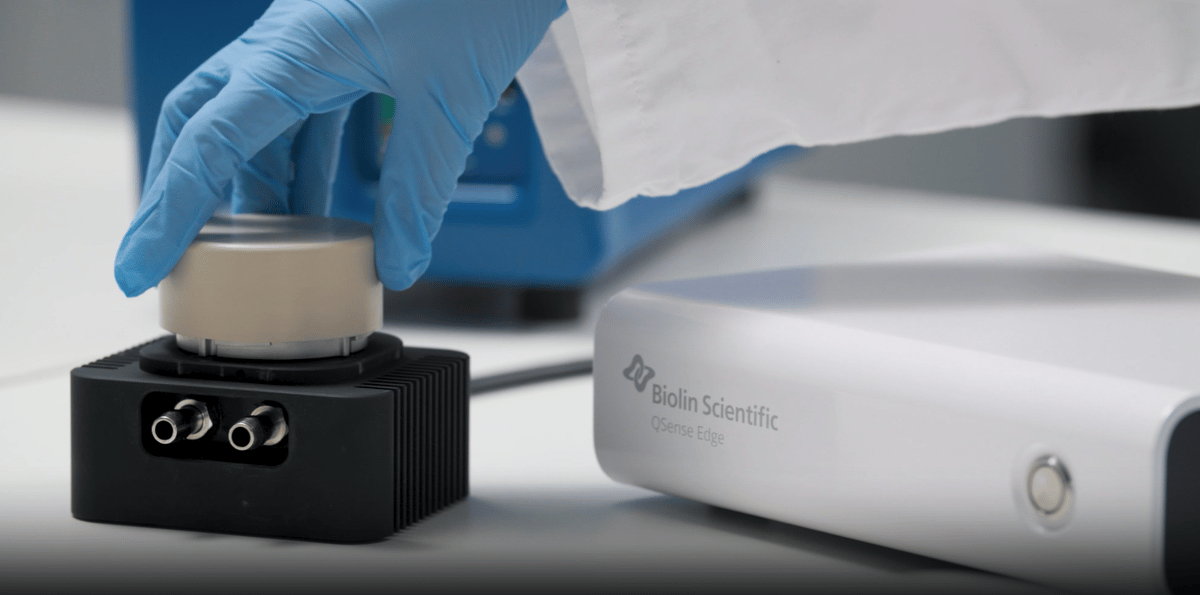
 QSense Edge is a new platform of essential, premium QCM-D instruments, each designed around a specific application. QSense Edge Energy is the first, combining QSense data quality with BioLogic potentiostat integration and two configurations – the gas-tight Battery Cell and the open Flex Holder.

Compare QSense range

Why to choose Edge Energy ?

edge17

One synchronized dataset

Current, potential and QCM-D response on one time axis. You configure and run your electrochemistry experiment in EC-Lab, while QSoft Edge runs the QCM-D measurement and shows both data streams live in one view. The result is a single, time-aligned dataset ready for export, no manual post-processing.

With synchronized data, you can answer questions such as:

  • How much mass, and viscoelastic change, accompanies each current peak or cycle?
  • At which potential does swelling or phase change start?
  • Does mass change follow the electrochemical signal, or lag behind?
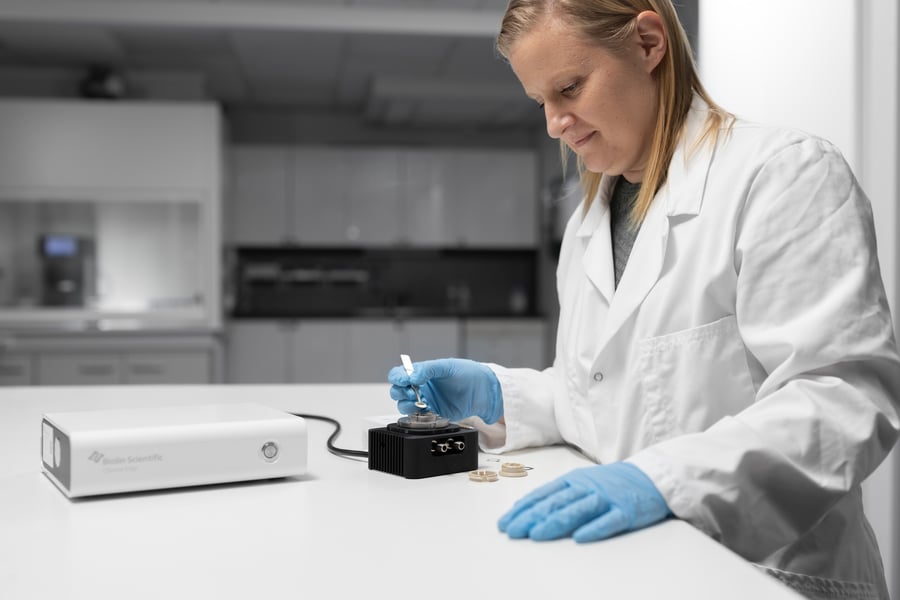
084A3572

One solution from two industry leaders

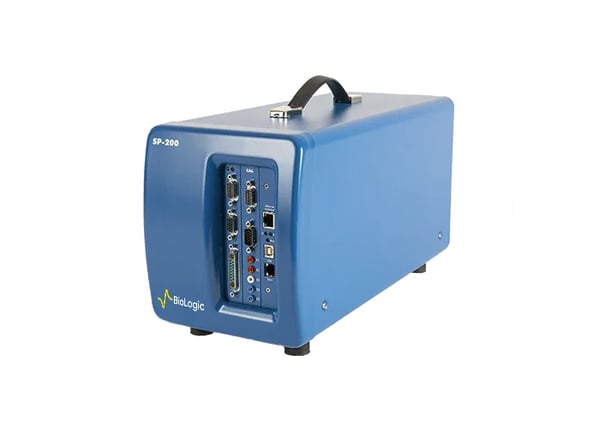
QSense Edge Energy is fully compatible with the BioLogic SP-200 and SP-300 potentiostats, available separately. The two form a validated, supported integration, so you can focus on your measurement process rather than data correlation.

  • Integrated data monitoring – plug-and-play connection between QSense Edge Energy and the BioLogic SP-200, with potentiostat and QCM-D data in one QSoft Edge view.
  • Pre-defined hardware kits – instrument, EQCM-D cell and electrodes configured to work together for the best possible data.
  • One responsible contact – Biolin Scientific supports the combined setup, backed by BioLogic’s electrochemistry experts.
Two configurations for different needs


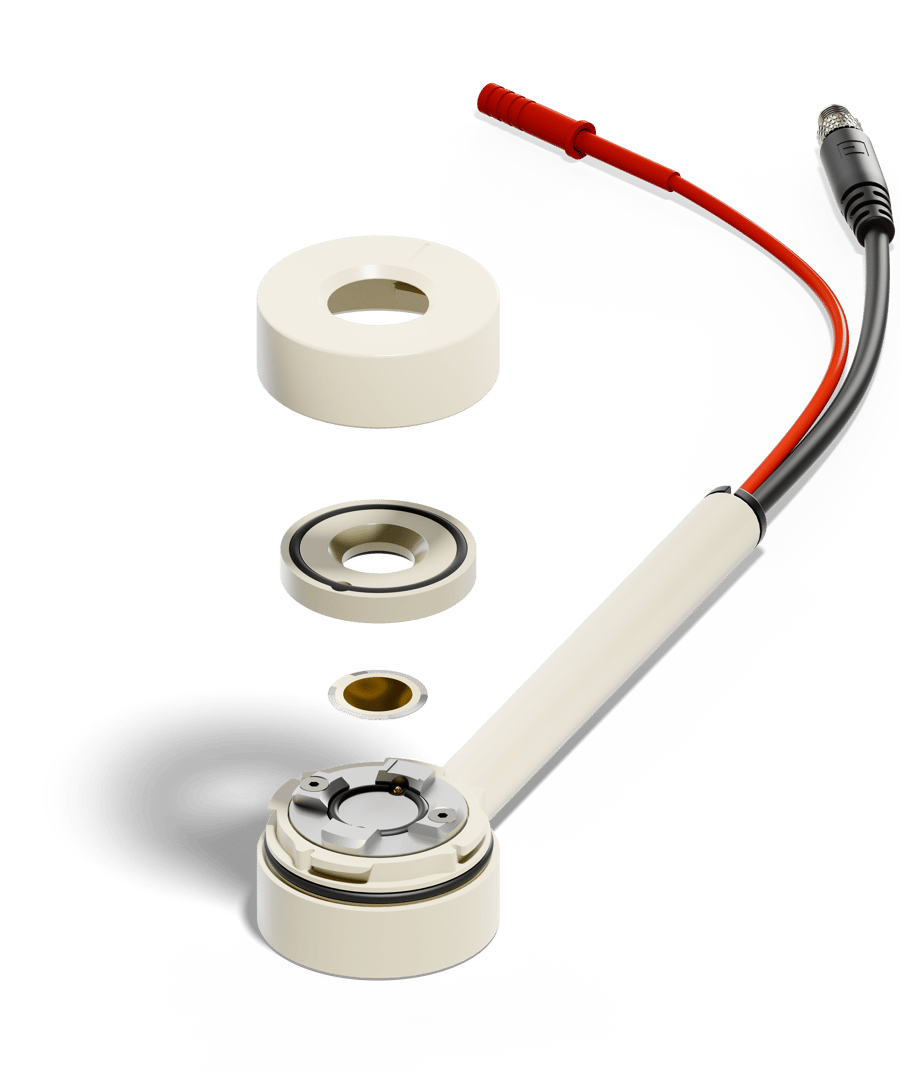
Flex_Holder_Exploded-1

Flex Holder – method development and general electrochemistry

A classical, beaker-based setup that fits a common electrochemistry bench. Immerse the sensor in a standard 100–200 mL beaker, pipette small volumes directly onto the surface, and place reference and counter electrodes freely around the sensor.

  • Open and flexible design – direct access to the sensor surface, no dedicated flow cell needed.
  • Chemically resistant PEEK body – with chemically inert O-rings for aggressive electrolytes, solvents and a wide pH range; easy to clean and re-use.
  • Twist-n’-lock sensor clamping – the mounting guide centers the sensor for reproducible sealing and fewer broken sensors.
  • Integrated temperature readout – track and account for thermal drift.
  • Works with any potentiostat – aqueous, non-aqueous, alkaline, acidic and high-pH media.
  • Easy accessory integration – use standard electrochemistry accessories to control mass transport, temperature and gas content.

Typical uses: early battery material screening, electrocatalyst and fuel cell studies, corrosion and general electrochemistry.
QSenseEdge_closed

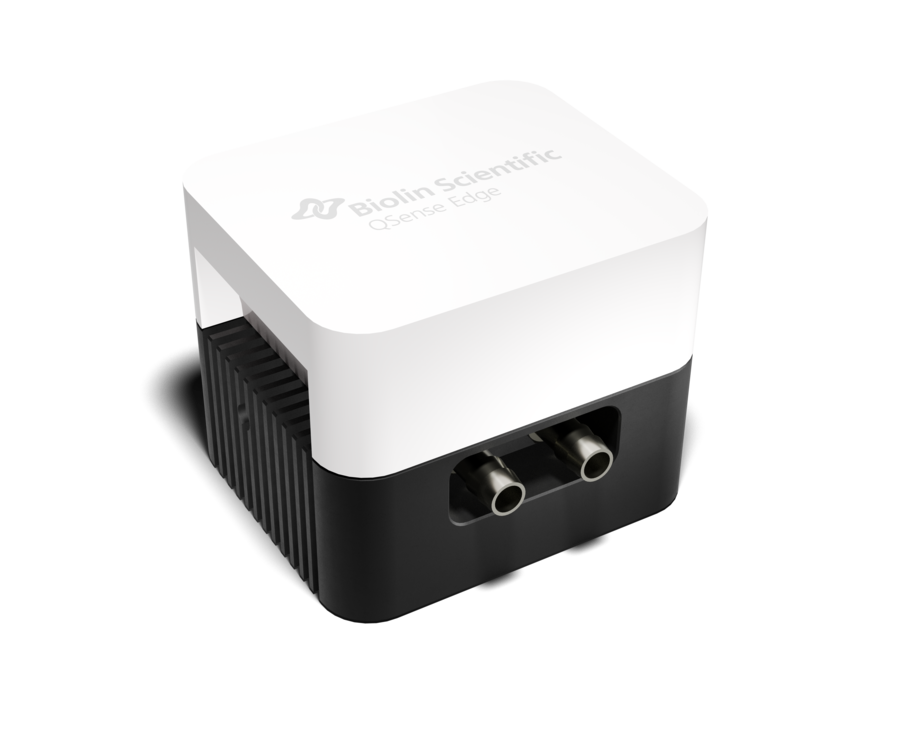
Battery Cell – battery-relevant, operando-mimic studies

A gas-sealed, 100 µL cell with a coin cell architecture like a real battery: the QCM-D sensor as working electrode, a separator with electrolyte, and a counter electrode. The small, defined electrolyte volume amplifies battery-relevant interfacial effects while keeping conditions controlled.

  • Gas-sealed, glove-box-compatible – assemble inside a glove box, then run days-long, oxygen-free measurements on the bench.  
  • Pseudo-reference electrode included – for non-aqueous electrolytes; two-electrode setup also supported.
  • Easily coated counter electrode – use battery-relevant materials such as Li or Na foil.
  • PEEK body and FFKM gasket – Materials compatible with harsh aqueous and non-aqueous mediums.
  • Temperature control –  ±5 °C from RT, and 5–70 °C extended range with water bath system.

Typical uses: SEI formation and growth, metal plating and dissolution (Li, Na), and ion intercalation.
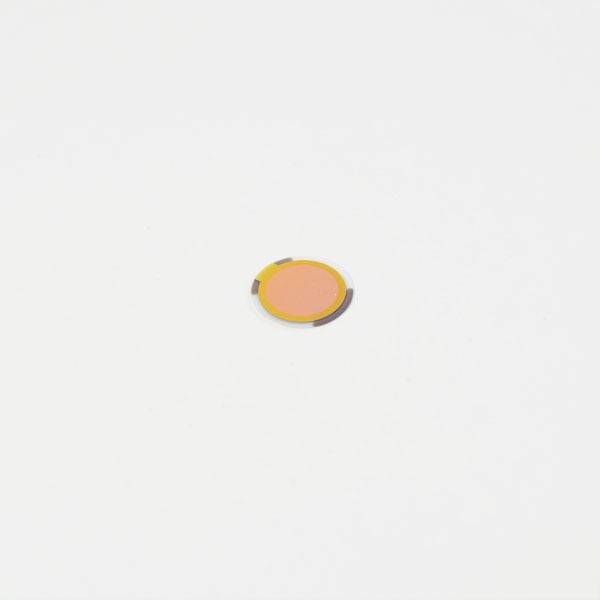
Instrument Selector

Our Instrument Selector will guide you along the way to your new instrument. Answer a few questions and the tool will provide you with the top choices based on your specific needs.

What QSense Edge Energy reveals

Measurement Range and Capacity

Measurement channels
1
Working temperature
5–70 °C  
Sensors (frequency range)
5 MHz (1-72)
Number of measured harmonics 7, allows for full viscoelastic modeling
 Cell volume

Battery cell ~100 µL

Flex holder: Standard 100–200 mL beakers, or µL volumes pipetted onto the sensor

Performance Characteristics

Maximum time resolution
100 data points per second (each data point represents an f and D value)
 Minimum noisea Frequency noise : 0.01 Hz Mass : 0.16 ng/cm2 Dissipation noise : 11 x 10-9
Long-term stability
 Frequency: < 0,6 Hz/h Dissipation: < 0.1 x 10⁻⁶ /h Temperature: < 0.02   °C  

Dimensions and Weight

Electronics unit-dimensions (cm)
 6.5/23/18
Electronics unit-weight (kg)
2
Battery cell dimensions (cm)  8.1/10/9.3 
   
Battery cell  weight (kg) 1.3
Flex holder dimensions (cm)  13.3/3.4/2.3 
Flex holder weight (kg)  0.05

Software-QSoft Edge

Data output
Time resolved Frequency and Dissipation for
7 harmonics
Computer requirements
USB 2.0
Operating system
Windows 11(earlier Windows versions may not fully work and support cannot be guaranteed)
Import/export  SQLite 

Software-Dfind Analysis

Data output
Thickness (or mass), viscosity, shear
modulus and the frequency dependence
of the viscosity and shear modulus.
Kinetics, slope, rise time and more
Computer requirements PC with 64-bit
> 1366×768 px screen resolution, > 4 GB
RAM
Operating system Windows 11(earlier Windows versions may not fully work and support cannot be guaranteed)
Import/export  Pdf, rtf, png, svg, gif, csv, xls, ogw 

Electrical

Power supply and frequency
100 / 115-120 / 220 / 230-240 V AC, 50-60 Hz
The power supply should be properly grounded
Standard sensors
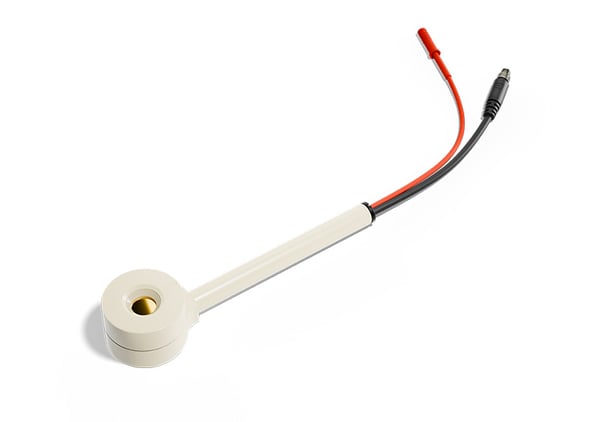
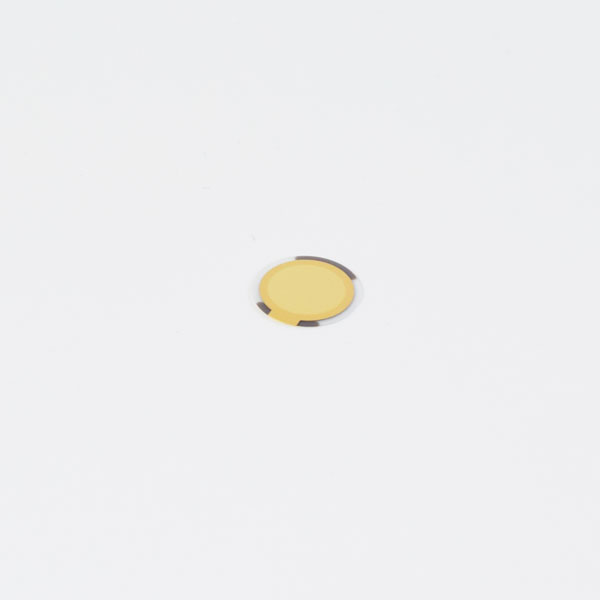
The sensor is the working electrode and the heart of every EQCM-D experiment. QSense offers the market’s widest range of high-quality sensor surfaces for EQCM-D, from established electrode metals to battery-relevant materials, developed and produced for stable, reliable and reproducible data.
Available surfaces include gold, carbon, copper, platinum, nickel, silver, aluminum, magnesium, zinc, ITO and TiO2.
Customized sensors
Sensor materials and coatings based on your specific needs

QSoft Edge – one view of QCM-D and electrochemistry

QSoft Edge is the new acquisition software for QSense Edge Energy. It runs your QCM-D measurement and shows frequency and dissipation live together with potentiostat data, so you can follow the electrode surface as your electrochemical experiment unfolds.

Key features

  • Integrated, synchronized data

    Live view of current, potential and QCM-D response in one interface, time-aligned to ≤100 ms and exported as one dataset.
  • Works with your potentiostat

    Full integration with the BioLogic SP-200 and Sp-300 via EC-Lab, and trigger and common time-zero for other brands.

Data analysis with Dfind

QSense Dfind takes you from measurement to understanding. Designed specifically for QCM-D analysis, it streamlines the workflow from raw data review and modelling to information extraction and reporting. A one-year Dfind subscription is included.

Key features

  • Batch mode analysis

    Process one or 100 data sets in one go.
  • Ready to use templates

    Set up an analysis sequence once and reuse it on new data.
  • The modelling of data

    Get thickness (or mass), viscosity and shear modulus from your raw data.
Would you like to know more about the details of Dfind and learn how the subscription works?

Learn more about Dfind!

Add more possibilities

QSense Core One has a removable flow module that can be exchanged to to fit your research needs. We have selected a few extras for you to widen your possibilities, and you can find more choices below. 

What others say

Our instruments are present at many prestigious universities and research facilities worldwide. Take a minute to find out what others say about QSense. 

citat8

Sivashankar Krishnamoorthy on QSense

"We use the QSense Explorer and Analyzer systems. We could get started rather quickly, thanks to the ease of using the systems."

Sivashankar-Krishnamoorth

Dr Sivashankar Krishnamoorthy, Luxembourg Institute of Science and Technology

"We spent time to understand different ways to customize the sensor chips, assay configuration, and flow routines to rational design of nanoplasmonic and nanopatterned sensors. Have had a great experience so far."

citat8


Marité Cárdenas on QSense

"QSense instruments are a great tool for our biophysical research. They enable rapid screening for biomolecular interaction at lipid bilayers and also allow optimizing the parameters for deposition of thin films."

malmö universitet

Professor Dr. Marité Cárdenas, Health and Society, Malmö University

"The instrument is easy to use, and has a long working life as long as you follow the maintenance instructions! The technical staff at Biolin Scientific are a pleasure to work with: They are nice and always give quick feedback and support."

citat8

Kenichi Sakai on QSense

"We regard QCM-D as a valuable measuring tool due to its high sensitivity and stability and find it applicable for versatile studies because of its availabilities of sensors with different types of surfaces. In this context I would say QCM-D is the best suitable solution for simulating a variety of nanoscale interaction behaviors both real-time & in-situ."

Kenichi-Sakai

Kenichi Sakai, Associate Professor, Tokyo University of Science

"We are working on academic research in the field of colloid and interface chemistry and our main work is synthesis of novel surfactants and characterization of their properties. We use QCM-D as a must-tool to comprehend molecular adsorption/desorption behaviors specifically observed at a solid-liquid interface."

citat8

Jodie Lutkenhaus on QSense

"We can monitor the mass change of our system in real-time. I can tell you that for every electron moved, this amount of mass changed. That’s powerful. You can’t really get that with any other system."

Jodie Lutkenhaus

Jodie Lutkenhaus, Associate Professor, Texas A&M University

"We use the QSense high temperature model that allows us to investigate polyelectrolyte complexes and their response to temperature. We’re also using the electrochemistry module so we can run our standard electrochemical measurements at the same time as we run the QCM-D."

citat8

Malkiat Johal on QSense

"I have found QSense to be one of the best techniques for an undergraduate lab because it’s turnkey and it requires very little maintenance."

Johal Malkiat-1

Malkiat Johal, Professor of Chemistry, Pomona College

"The operating principles are straightforward and the students can focus on the science. And so, that’s something that we have been really happy with, it really works in this kind of setting. It’s an ideal method for an undergraduate surface science lab."
Learn more

We have gathered all our in-depth knowledge associated with QSense Core One. Browse around amongst guides, overviews, and white papers to find a topic of interest.

  • QSense
How Excipients, Surfaces and Formulation Conditions Affect Therapeutic Proteins
Webinar

How Excipients, Surfaces and Formulation Conditions Affect Therapeutic Proteins

Can QCM-D quantify how surfactants affect protein-surface interaction? Watch this webinar with Dr. Archana Jaiswal to find out more.

Go there
  • QSense
Basics of QCM-D
Webinar

Basics of QCM-D

Learn the fundamentals of the technology, its possibilities and limitations and get a deeper understanding of nanometer layers.

Go there
  • QSense
How to Optimize the QCM-D Baseline Stability
Guide

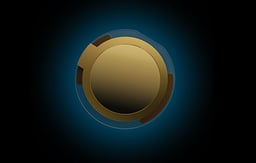
How to Optimize the QCM-D Baseline Stability

9 steps to eliminate error sources and optimize reproducibility

Download
  • QSense
The Working Principles of QCM and QCM-D
Overview

The Working Principles of QCM and QCM-D

Learn the fundamentals of how the technologies work, and what is the difference between them.

Get it
  • QSense
QCM-D in Drug Formulation and Storage

Case Study

QCM-D in Drug Formulation and Storage

Analyze and quantify protein adsorption to surfaces.

Get it
  • QSense
QCM-D vs SPR
Overview

QCM-D vs SPR

Learn more about the differences between the two methods to find out which you should use.

Get it
  • QSense
QCM-D vs other QCMs
Overview

QCM-D vs other QCMs

Let this brief overview guide you to your most suitable choice of QCM.

Get it
  • QSense
What is Piezoelectricity?
Overview

What is Piezoelectricity?

Bone, wood and quartz are all piezoelectric materials. Learn about piezoelectricity and how it works

Get it
  • QSense
How QCM Results are Influenced by Layer Distribution

Overview

How QCM Results are Influenced by Layer Distribution

The distribution of the measured layer is key to your results. Discover why and how to handle it.

Get it
  • QSense
Why the Resonance Frequency of a QCM Sensor is 5MHz
Overview

Why the Resonance Frequency of a QCM Sensor is 5MHz

What determines the value of the fundamental resonance frequency? In this overview, we explain the theory behind the number.

Get it
  • QSense
Characterization of Polymer-based Systems

Overview

Characterization of Polymer-based Systems

Analyze layer build-up, conformation and molecular interaction with QSense QCM-D

Get it
  • QSense
Using QCM-D in the Food Industry
Webinar

Using QCM-D in the Food Industry

Learn more about QCM-D in food industry with studies of shelf life from Cornell University.

Go there
  • QSense
What is Biocompatibility?
Overview

What is Biocompatibility?

In this overview we explain how biocompatibility is defined and give examples of what the property entails.

Get it
  • QSense
Why it is Useful to use Multiple Overtones in QCM Measurements?
Overview

Why it is Useful to use Multiple Overtones in QCM Measurements?

Learn what information the overtones offer in this overview.

Get it
  • QSense
Nanocellulose Research with QCM-D
Webinar

Nanocellulose Research with QCM-D

Watch our webinar on Nanocellulose Research with QCM-D where we will discuss thin films of cellulose nanofibrils development, and their characterization. 

Go there
  • QSense
Analysis of Surfactant-Surface Interactions with QSense

Case Study

Analysis of Surfactant-Surface Interactions with QSense

Find out how to analyze surfactant interaction with surfaces at the nanoscale.

Get it
  • QSense
Getting Started with QSense Dfind

Webinar

Getting Started with QSense Dfind

QSense Dfind assists you with raw data review, modeling, information extraction and generating reports. Get started with the webinar by Patricia Passanesi, Application Scientist at Biolin Scientific

Go there
  • QSense
Data Modeling in QSense Dfind
Webinar

Data Modeling in QSense Dfind

Check out the webinar by Fredrik Pettersson on physical modeling using QSense Dfind.

Go there
  • QSense
QCM-D as a Screening Tool for Protein Adsorption

Case Study

QCM-D as a Screening Tool for Protein Adsorption

Proteins tend to passively adsorb to surfaces via hydrophobic interactions. In this application note we show how protein adsorption can be characterized with QCM-D.

Get it
  • QSense
Analyzing Vapor Uptake and Release with QCM-D
Case Study

Analyzing Vapor Uptake and Release with QCM-D

Read about how QCM-D can be used to analyse how water uptake and release affects film thickness

Get it
  • QSense
Surface Science – a Field Rich in Science and Applications

Webinar

Surface Science – a Field Rich in Science and Applications

Listen to Prof. Bengt Kasemo in this webinar on Surface Science - a field rich in science and applications.

Go there
  • QSense
QCM-D Data Analysis
Guide

QCM-D Data Analysis

We put together guidelines for you on how to evaluate which method to use, and what happens if you choose the wrong approach.

Download
  • QSense
QSense Explorer Online Demo
Demo

QSense Explorer Online Demo

Get a walk-through with our experts of the versatile QSense Explorer system.

  • QSense
 QCM-D as a Tool to Study the Binding of Viruses

Webinar

QCM-D as a Tool to Study the Binding of Viruses

Hear researcher Gustaf Rydell, on how they used QCM-D to study interactions between virus particles and membrane associated glycolipids.

Go there
  • QSense
Key Publications on the Formation of Supported Lipid Bilayers
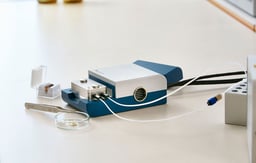
Overview

Key Publications on the Formation of Supported Lipid Bilayers

We gathered 8 research studies where QCM-D was used as a central analysis method.

Get it
  • QSense
Characterization of Surfaces and Surface Reactions in Energy Storage
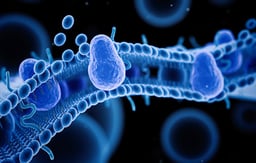
Webinar

Characterization of Surfaces and Surface Reactions in Energy Storage

Learn how QCM-D can be used to characterize surfaces and reactions for energy storage from Dr. Archana Jaiswal, Nanoscience Instruments.

Go there
  • QSense
Development of a New Method for the Formation of SLBs on Solid Support using QSense QCM-D
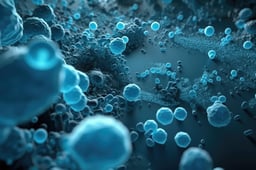
Video

Development of a New Method for the Formation of SLBs on Solid Support using QSense QCM-D

Watch our interview with Prof. Nam-Joon Cho, Nanyang Technological University, about the SALB-project.

Watch
  • QSense
QCM-D Technology: From Fundamental Membrane Biophysics to Translational Applications
Webinar

QCM-D Technology: From Fundamental Membrane Biophysics to Translational Applications

If you work with fundamental or applied research in areas related to biophysics or biotechnology and are curious to learn more about how QCM-D technology can help you progress your work, then this webinar is for you!

Go there
  • QSense
QSense Etching Guide
Guide

QSense Etching Guide

Learn how to use QSense technology for assessment of detergent etching properties.

Download
  • QSense
QCM-D Characterization of Antimicrobial Lipid Interactions with Supported Lipid Bilayers: Towards Antiviral Applications in the Biomedical and Agricultural Sectors

Webinar

QCM-D Characterization of Antimicrobial Lipid Interactions with Supported Lipid Bilayers: Towards Antiviral Applications in the Biomedical and Agricultural Sectors

Listen to the talk from Joshua A. Jackman, Assistant Professor, School of Chemical Engineering, Sungkyunkwan University.

Go there
  • QSense
Monitoring of Polyelectrolyte Multilayer Build-up and Crosslinking using QCM-D
Case Study

Monitoring of Polyelectrolyte Multilayer Build-up and Crosslinking using QCM-D

In this note we show how PEM build-up and crosslinking can be characterized with QCM-D

Get it
  • QSense
Biomembrane Models and Interactions Therein

Webinar

Biomembrane Models and Interactions Therein

Watch the talk from Marité Cárdenas, Professor, Biomedical Science at Malmö University on biomembrane models.

Go there
  • QSense
Screening Nanoparticle - Protein Interactions

Case Study

Screening Nanoparticle - Protein Interactions

Nanomaterials may interact with, and have adverse effects on, e.g., biological systems. Here we show how a model system can be used as an early screening method to characterize the nanoparticle uptake and biodurability

Get it
  • QSense
The Sauerbrey Relation
Overview

The Sauerbrey Relation

Time to learn how the Sauerbrey relation is derived and what the parameters mean.

Get it
  • QSense
QSense Cleaning Profile
Guide

QSense Cleaning Profile

Explore a new way to evaluate product performance of detergents with our step-by-step guide.

Download
  • QSense
QCM-D Studies of Engineered Nanoparticles
Overview

QCM-D Studies of Engineered Nanoparticles

In this overview we explore three examples of nanoparticle analysis with QCM-D.

Get it
  • QSense
Analytical Methods to Characterize Lipid-based Systems
Overview

Analytical Methods to Characterize Lipid-based Systems

In this overview, Prof. Nam-Joon Cho, Nanyang Technological University, Singapore, has compiled a list of the analytical methods he uses in his research to characterize lipid-based systems.

Get it
  • QSense
Characterization of Biomolecular Interactions

Overview

Characterization of Biomolecular Interactions

Learn how biomolecular interactions can be analyzed using QSense® QCM-D technology and what information you can get.

Get it
  • QSense
QCM-D Analysis in Virus-related Research
Overview

QCM-D Analysis in Virus-related Research

We collected examples of scientific publications in basic and applied research for you.

Get it
  • QSense
Determining Cleansing Efficacy of Elfan AT 84 using a QCM-D Assay

Webinar

Determining Cleansing Efficacy of Elfan AT 84 using a QCM-D Assay

Hear Fredrik Andersson, Scientist at Global R&D, Nouryon, talk about how they used the QSense results to differentiate Elfan AT 84.

Go there
  • QSense
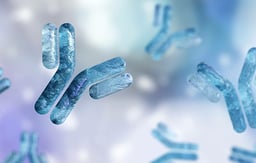
Analyze Surface-induced Complement Activation
Case Study

Analyze Surface-induced Complement Activation

In this note we show how QCM-D can be used to evaluate biomaterial immunogenicity

Get it
  • QSense
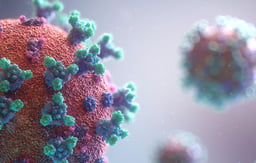
Adsorption and Aggregation of Monoclonal Antibodies at Silicone Oil-Water Interfaces
Webinar

Adsorption and Aggregation of Monoclonal Antibodies at Silicone Oil-Water Interfaces

Learn more about adsorption and aggregation of monoclonal antibodies at silicone oil-water interfaces with Ph.D. Aadithya Kannan at Genentech.

Go there
  • QSense
How do we Stop the Next Pandemic from an Unknown Virus?
Webinar

How do we Stop the Next Pandemic from an Unknown Virus?

Listen to the webinar from Prof Nam-Joon Cho on how his group work with preventing future pandemics.

Go there
  • QSense
 Characterization of Polymer Layer Swelling, Crosslinking and Collapse

Case Study

Characterization of Polymer Layer Swelling, Crosslinking and Collapse

Polymer brush response to ambient changes can be characterized with QCM-D. Here we show how

Get it
  • QSense
Analyzing Cleaning of Hard Surfaces with QSense
Case Study

Analyzing Cleaning of Hard Surfaces with QSense

Learn how to assess cleaning efficiency using model and standardized stains.

Get it
  • QSense
QSense Analysis in CMP
Overview

QSense Analysis in CMP

In this overview, we present how QSense® QCM-D technology can be used in molecule-surface interaction analysis and optimization of CMP related processes.

Get it
  • QSense
QSense EQCM-D – and introduction to product solution and application examples
Webinar

QSense EQCM-D – and introduction to product solution and application examples

In this webinar you will get acquainted with QSense combined QCM-D and electrochemistry solution and how EQCM-D analysis is used in research.

Go there
  • QSense
The Dissipation Factor in QCM-D Technology
Overview

The Dissipation Factor in QCM-D Technology

In this overview, we take a closer look at the behavior of the sensor oscillation at various types of loads and investigate what the D-factor reveals.

Get it
  • QSense
Temperature Stability in QCM Measurements
Overview

Temperature Stability in QCM Measurements

Achieve reliable and reproducible QCM measurements by controlling the temperature.

Get it
  • QSense
What is Dissipation?
Overview

What is Dissipation?

This is your chance to find out what it is, why it is important, and how it can be measured.

Get it
  • QSense
What is a Viscoelastic material?
Overview

What is a Viscoelastic material?

Ice, wood and a disks in the human spine are all viscoelastic materials. What does it really mean?

Get it
  • QSense
How to Analyze Combined QCM-D and Ellipsometry Data

White Paper

How to Analyze Combined QCM-D and Ellipsometry Data

Read this white paper for background theory and a step-by step guide on how to do it.

Download
  • QSense
How to Generate Quality QCM-D Data
Guide

How to Generate Quality QCM-D Data

Follow our checklist for high-quality data and reproducible measurements.

Download
  • QSense
QCM-D vs other QCMs
White Paper

QCM-D vs other QCMs

We sort out the the differences between QCM methods to answer the question - does it matter which one I use?

Download
  • QSense
QCM-D Publications in Battery Research

List

QCM-D Publications in Battery Research

Explore our list of 33 recent publications that exemplify the usage of QCM-D technology in various aspects of battery research.

Get it
  • QSense
How to read a QCM Specification
Guide

How to read a QCM Specification

There are key parameters to keep an eye on when investing in a new QCM instrument. Learn what they mean, and why they are important.

Download
  • QSense
Dfind Basic Training Course
Webinar

Dfind Basic Training Course

Learn the basics of Dfind, get a walk-through of the software and watch two live demo examples.

Go there
  • QSense
Information Obtained with QSense QCM-D
Overview

Information Obtained with QSense QCM-D

We have summarized the parameters and processes that can be studied with QCM-D for you.

Get it
  • QSense
How to Characterize Lipid-Based Systems with QCM-D

Overview

How to Characterize Lipid-Based Systems with QCM-D

You get a brief overview of how to analyze lipid layer formation dynamics, structure and layer quality.

Get it
  • QSense
QCM-D in Research
List

QCM-D in Research

Explore the work of Prof. Nam-Joon Cho and his research group through their publications.

Get it
  • QSense
Biomaterials – Man-made Materials for Regenerative Medicine
Webinar

Biomaterials – Man-made Materials for Regenerative Medicine

Learn from Prof. Bengt Kasemo in this webinar on Biomaterials – man-made materials for regenerative medicine.

Go there