In the rapidly evolving field of biomedical engineering, the performance and safety of medical devices are paramount. From implants and catheters to diagnostic sensors and wound dressings, the interaction between a device’s surface and its biological environment can make the difference between success and failure. One of the most insightful ways to assess and optimize these interactions is by measuring contact angles. But what exactly does this measurement tell us, and why is it so important for biomedical devices?
Understanding Contact Angles
The contact angle is a simple yet powerful metric that describes how a liquid droplet interacts with a solid surface. When a drop of liquid is placed on a material, the angle formed at the interface between the liquid, solid, and air is the contact angle. This angle provides direct information about the surface’s wettability—in other words, how easily a liquid spreads across the surface.
- Low contact angle (< 90°): Indicates a hydrophilic (water-attracting) surface.
- High contact angle (> 90°): Indicates a hydrophobic (water-repelling) surface.
Why Does Wettability Matter in Biomedical Devices?
1. Biocompatibility and Protein Adsorption
The initial interaction between a biomedical device and the body often involves the adsorption of proteins from blood or tissue fluids onto the device’s surface. The extent and nature of this adsorption are heavily influenced by surface wettability. Hydrophilic surfaces tend to resist non-specific protein adsorption, which can reduce unwanted immune responses and improve biocompatibility.
2. Cell Adhesion and Growth
For implants and tissue engineering scaffolds, encouraging or discouraging cell attachment is crucial. Surfaces with tailored contact angles can promote the adhesion, proliferation, and differentiation of specific cell types, enhancing tissue integration and healing.
3. Bacterial Colonization and Infection Control
Hydrophobic surfaces may be more prone to bacterial adhesion, leading to biofilm formation and potential infections. By measuring and modifying contact angles, manufacturers can design surfaces that minimize bacterial colonization, improving patient safety.
4. Drug Delivery and Coating Performance
Many biomedical devices are coated with drugs or functional layers. The uniformity and stability of these coatings depend on the surface’s wettability. Contact angle measurements help ensure that coatings adhere properly and release drugs at the desired rate.
5. Quality Control and Consistency
Contact angle measurements provide a rapid, non-destructive method for quality control during manufacturing. By monitoring surface properties, manufacturers can ensure batch-to-batch consistency and compliance with regulatory standards.
Practical Applications
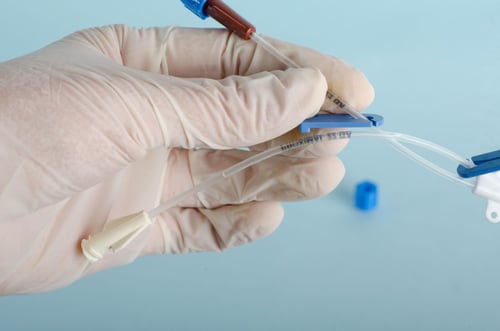
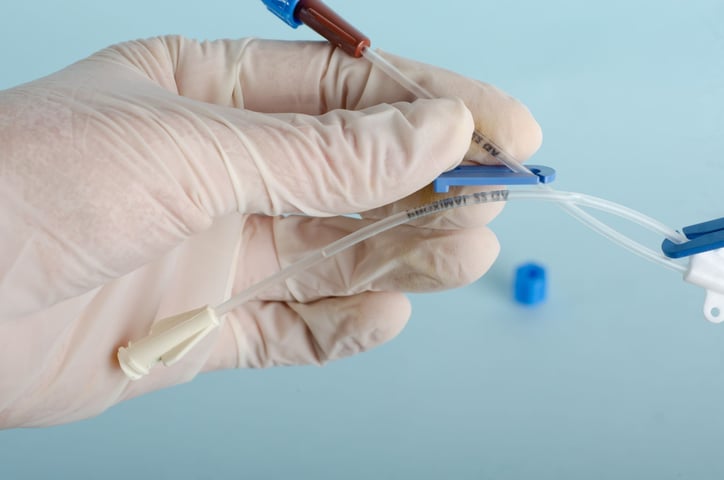
• Catheters: Reducing thrombosis and infection risk by optimizing surface hydrophilicity.
• Implants: Enhancing tissue integration through controlled cell adhesion.
• Diagnostic Devices: Ensuring reliable fluid flow in microfluidic channels.
• Wound Dressings: Improving moisture management for better healing.
Conclusion
Measuring contact angles is more than a laboratory exercise—it’s a critical tool for designing safer, more effective biomedical devices. By understanding and controlling surface wettability, manufacturers can improve device performance, patient outcomes, and regulatory compliance. As biomedical technology advances, the role of surface science—and contact angle measurement in particular—will only become more important.