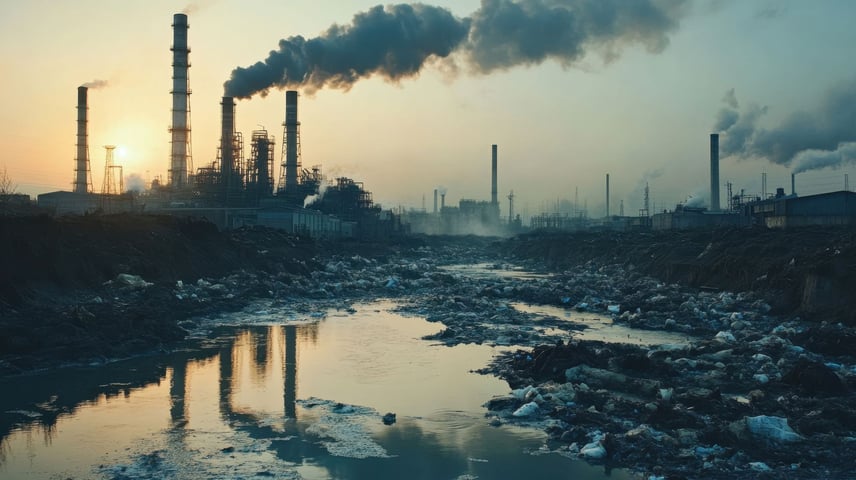
Bioremediation is a natural process that uses living organisms—primarily microbes, fungi, and plants—to clean up contaminated environments. This innovative approach leverages the power of biology to break down or neutralize pollutants, transforming harmful substances into less toxic or harmless products.
How Does Bioremediation Work?
At its core, bioremediation harnesses the metabolic abilities of certain organisms to degrade environmental contaminants. Microorganisms such as bacteria and fungi feed on pollutants like oil, heavy metals, pesticides, and other hazardous chemicals. As they consume these substances, they convert them into water, carbon dioxide, and other non-toxic compounds. Bioremediation can be divided into in-situ and ex-situ methods. The latter means that the treatment is happening at the site of contamination whereas in the ex-situ approach the contaminated soil and water is removed and treated elsewhere.
Applications of Bioremediation
Bioremediation finds application in a wide range of environmental settings, making it a versatile tool for addressing pollution and contamination. One of the most well-known uses of bioremediation is in the cleanup of oil spills, both in marine environments and on land. When oil is accidentally released into the ocean or onto the ground, specialized microorganisms can be introduced or stimulated to break down the hydrocarbons, gradually reducing the environmental impact and helping to restore affected ecosystems.
Beyond oil spills, bioremediation is also commonly employed in the treatment of industrial wastewater and sewage. Factories and municipal facilities often generate water contaminated with organic and inorganic pollutants. By harnessing the natural metabolic processes of bacteria and other microbes, these contaminants can be degraded or transformed into less harmful substances, resulting in cleaner water that can be safely released into the environment or even reused.
Another important application of bioremediation is the remediation of sites contaminated with hazardous chemicals such as pesticides, solvents, and heavy metals. Agricultural lands, manufacturing sites, and areas near chemical storage facilities can accumulate dangerous levels of these substances over time. Through carefully managed bioremediation strategies, it is possible to reduce the concentration of these pollutants, making the land safer for people, animals, and plants.
Finally, bioremediation plays a crucial role in restoring ecosystems that have been damaged by mining activities or chemical accidents. Mining often leaves behind soils and water bodies contaminated with toxic metals and other pollutants. Similarly, accidental chemical releases can devastate local environments. By introducing or encouraging the growth of specific organisms that can detoxify these areas, bioremediation helps to rehabilitate the land and water, supporting the recovery of native species and the return of ecological balance.
Advantages and limitations of bioremediation
Compared to traditional chemical and physical remediation methods, bioremediation is more eco-friendly, easier to implement and less invasive. It is also often less expensive than traditional methods such as chemical treatment. However, bioremediation can be a slow process as microorganisms may need to adapt to the present of contaminants and establish a population capable of efficient degradation. Some of the contaminants can be difficult to degrade by biological means. In addition, the environmental conditions such as temperature, pH, and nutrient availability must be suitable for microbial activity.
Conclusion
Bioremediation represents a promising and sustainable solution for cleaning up polluted environments. Further research is needed to tackle all types of contaminants effectively, to increase the solubility of pollutants and their bioavailability as well as to understand and optimize environmental conditions such as temperature, pH, oxygen availability, and nutrient levels to support microbial activity.