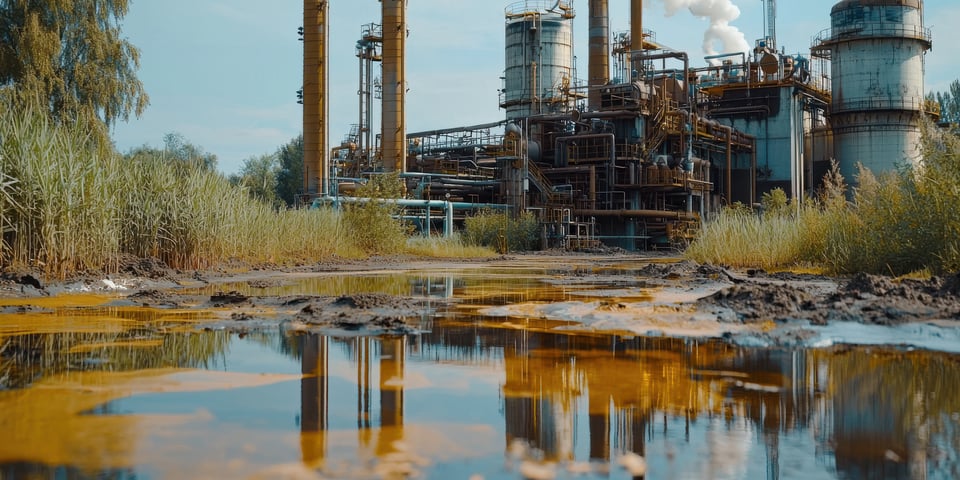
Pollution from industry, oil spills, and heavy metals continues to threaten our ecosystems. Bioremediation—a process that uses living organisms to break down or remove pollutants—offers a sustainable and effective solution. At the forefront of this approach are biosurfactants: natural surface-active compounds that make pollution cleanup more efficient, eco-friendly, and innovative.
What Are Biosurfactants?
Biosurfactants are molecules produced by microorganisms such as bacteria, yeasts, and fungi. Their amphiphilic structure—combining hydrophobic and hydrophilic parts—enables them to reduce surface and interfacial tension between liquids, solids, and gases. This property is crucial for a wide range of environmental and industrial applications, especially for the cleanup of persistent pollutants.
How Do Biosurfactants Work in Bioremediation?
Biosurfactants play a vital role in pollution cleanup by:
-
Increasing Pollutant Accessibility: Many contaminants, like oil or pesticides, adhere to soil or form separate layers in water. Biosurfactants emulsify these substances, breaking them into smaller droplets and increasing their surface area, so microbes can access and degrade them more efficiently.
-
Heavy Metal Removal: Some biosurfactants can bind to toxic metals such as lead or mercury, forming complexes that are easier to extract from soil and water.
- Boosting Cleanup Efficiency: By increasing the solubility and mobility of pollutants, biosurfactants accelerate natural breakdown processes and make bioremediation more complete.
Why Biosurfactants Are the Sustainable Choice for Bioremediation
Traditionally, pollution cleanup has relied on synthetic surfactants—chemicals derived from petroleum that are often persistent in the environment and can be toxic to living organisms. As environmental awareness grows, there is increasing demand for safer, greener alternatives.
Biosurfactants are rapidly becoming the preferred solution for eco-friendly pollution cleanup. Their advantages include:
- Biodegradability and Low Toxicity: Biosurfactants are generally non-toxic and break down naturally, minimizing environmental impact.
- Effectiveness in Harsh Conditions: Many biosurfactants remain active in extreme environments, such as high salinity or low pH.
- Sustainable Production: Biosurfactants can be produced from renewable resources—including industrial and agricultural waste—making them a greener alternative to petroleum-based surfactants and supporting circular economy goals.
Measuring Biosurfactant Performance in Bioremediation
Ensuring that biosurfactants are effective and efficient is essential for successful bioremediation. Scientists use tensiometers to provide clear, quantifiable evidence on biosurfactant activity, by measuring three critical parameters: surface tension, interfacial tension and critical micelle concentration (CMC).
Surface tension is the force at the interface between a liquid (such as water) and air, while interfacial tension describes the force at the boundary between two immiscible liquids, like oil and water. In bioremediation, lowering these values is crucial: when biosurfactants reduce surface and interfacial tension, they increase the dispersion and surface area of hydrophobic pollutants (such as oils or hydrocarbons). This makes the pollutants more bioavailable—meaning microbes can access and degrade them more efficiently, leading to faster and more complete cleanup.
The critical micelle concentration (CMC) is another key measurement. CMC is the lowest concentration at which biosurfactant molecules spontaneously form micelles—tiny aggregates that can encapsulate hydrophobic contaminants. Above the CMC, biosurfactants are most effective at solubilizing and mobilizing pollutants, which is vital for efficient bioremediation. Determining the CMC helps identify the minimum amount of biosurfactant needed to achieve maximum reduction in surface and interfacial tension and ensures optimal dosing in field applications.
By using tensiometers to measure surface tension, interfacial tension, and CMC, researchers can:
- Select the most effective biosurfactant for a given application,
- Determine optimal dosages for field use, and
- Compare the performance of different biosurfactant-producing strains.
These measurements are fundamental for ensuring that biosurfactants are applied efficiently and effectively in real-world environmental cleanup.
Conclusion
Biosurfactants are leading the way toward greener, more effective bioremediation. Ongoing research is optimizing microbial strains and improving production efficiency, ensuring that biosurfactants will play an increasingly important role in sustainable pollution cleanup. By understanding how biosurfactants work and accurately measuring their performance, we can support cleaner, healthier environments for the future.






.jpg?width=160&name=anna%20junnila%20(resized-1).jpg)