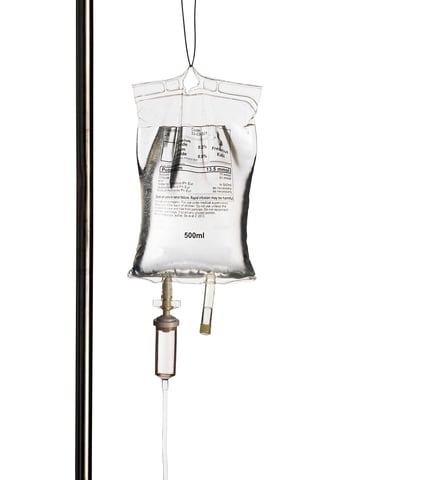
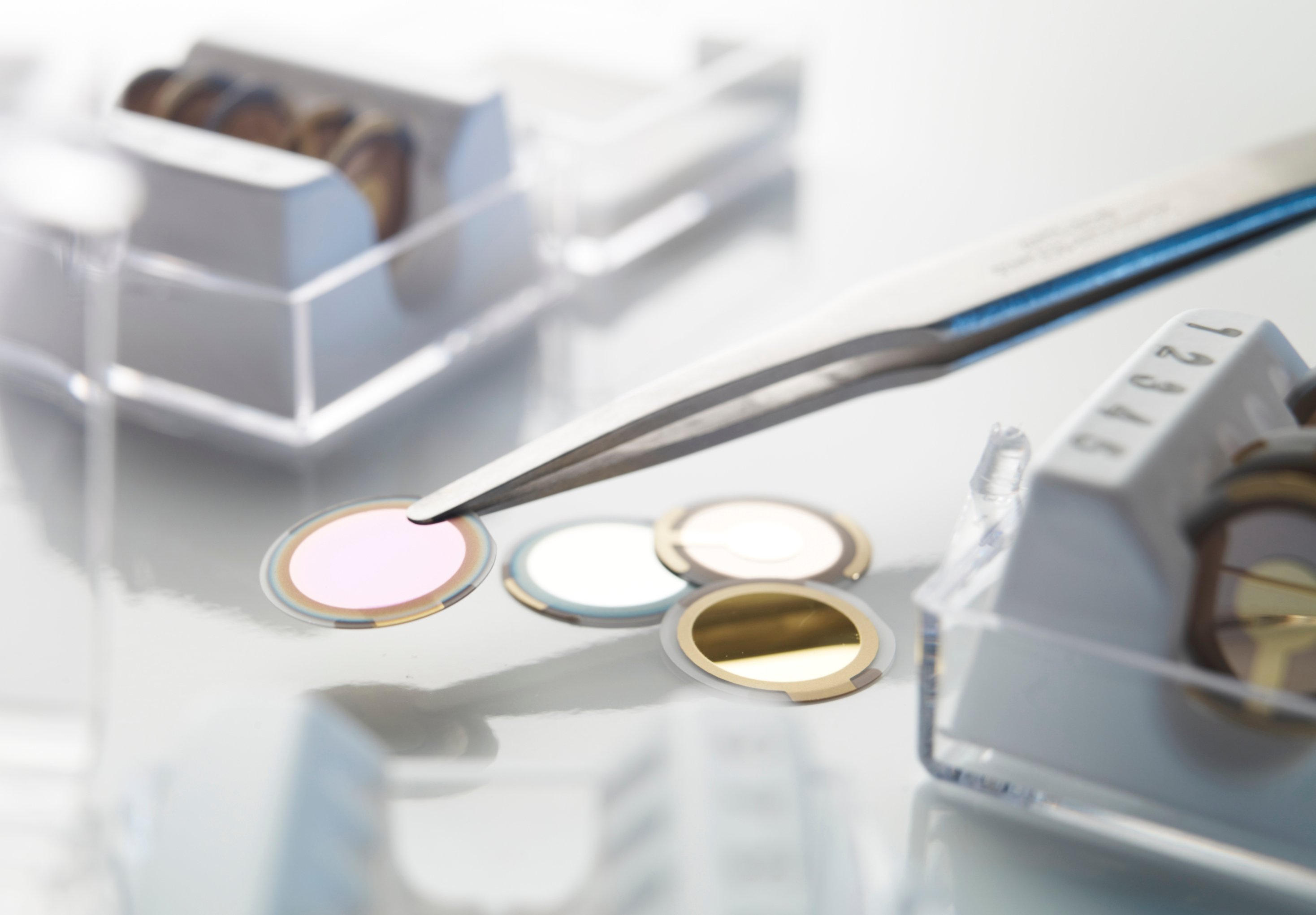
Intravenous (IV) bags are critical components in medical treatments, designed to deliver fluids, medications, and nutrients directly into a patient's bloodstream. The materials used in IV bags significantly impact their safety, compatibility, and environmental footprint. These materials must meet stringent medical and regulatory requirements, ensuring they maintain flexibility, durability, and chemical stability. Additionally, they should minimize the risk of chemical interactions with the contents, be free from harmful additives, and support environmentally sustainable practices.
Highlighted Materials used in IV bags
Polypropylene (PP)
Polypropylene is often used in IV bag applications as the outer layer or as part of multilayer film structures. The primary reason for using PP is its superior rigidity, high-temperature resistance, and excellent barrier properties against moisture and gases. These characteristics are crucial for maintaining the structural integrity of the IV bag during sterilization processes, such as autoclaving, which require exposure to elevated temperatures. PP's toughness provides additional protection during storage and transportation, reducing the risk of punctures or tears. By acting as a protective exterior, PP ensures that the IV bag remains intact and the contents uncontaminated throughout its shelf life.
Low-Density Polyethylene (LDPE)
LDPE is commonly used in IV bag applications due to its excellent flexibility, chemical resistance, and clarity. LDPE is particularly suitable for the inner layers of IV bags, where direct contact with the intravenous solutions occurs. Its low reactivity ensures that it does not interact with or contaminate the contents, preserving the sterility and purity required for medical fluids. Additionally, LDPE provides a soft and pliable texture, making the bags easy to handle and collapse as fluids are withdrawn, thus minimizing residual waste. The material's good sealability also ensures that the bags can be securely closed to prevent leakage and maintain a sterile barrier.
QSense QCM-D: A tool for material assessment and to de-risk material selection
QSense QCM-D technology can be used to proactively assess the stability and material compatibility of biopharmaceuticals in IV bags. It is particularly valuable for studying monoclonal antibodies (mAbs), which are sensitive to weak interactions—such as hydrogen bonding and hydrophobic forces—that can cause aggregation and loss of activity. By monitoring the initial surface-induced stress and molecular transformations that occur when mAbs interact with IV bag materials like low-density polyethylene (LDPE) and polypropylene (PP), QCM-D enables deeper insight into formulation-material interaction behavior. This early-stage analysis helps prevent late-stage discovery of incompatibilities between drug products and IV bag materials, supporting more timely and cost-effective development.
Key Parameters Measured with QCM-D
- Mass adsorption: Measures changes in resonance frequency to quantify how much mAb or other molecules bind to IV bag materials.
- Viscoelastic properties: Monitors dissipation to determine if the adsorbed layer is rigid or soft, indicating structural changes upon adsorption.
- Binding affinity: Assesses how strongly mAbs interact with different IV bag surfaces.
- Surfactant effects: Evaluates how agents like Polysorbate 80 reduce mAb binding, aiding in formulation stability.
- Molecular interaction analysis: Provides in-depth insights at the solid-liquid interface to support biopharmaceutical efficacy and stability.
Overview of QSense Sensors for IV Bag Materials
|
Sensor Name
|
Material
|
Delivery Time
|
Application
|
|
QSX 350 – PP
|
PP (Polypropylene)
|
4-6 weeks
|
Multilayer bags, ports, connectors
|
|
QSX 351 – LDPE
|
LDPE (Low-Density Polyethylene)
|
4-6 weeks
|
Inner film layers, flexible bags
|
|
QSX 900 – HDPE
|
HDPE (High-Density Polyethylene)
|
4-6 weeks
|
Ports, closures, rigid bag components
|
|
QSX 900 – PVC
|
PVC (Polyvinyl Chloride)
|
4-6 weeks
|
Standard IV bags, blood bags
|
|
QSX 900 – EVA
|
EVA (Ethylene Vinyl Acetate)
|
4-6 weeks
|
Parenteral nutrition, frozen bags
|
|
QSX 353 – COP
|
COC (Cyclic Olefin Polymer)
|
4-6 weeks
|
Prefilled syringes, drug reservoirs, multilayer film core layers, IV vials
|
|
QSX 900 – COC
|
COC (Cyclic Olefin Copolymer)
|
4-6 weeks
|
Prefilled syringes, drug reservoirs, multilayer film core layers, IV vials
|
Concluding Remarks
The choice of materials for intravenous (IV) bags is central to ensuring the safety, compatibility, and effectiveness of fluid and drug delivery in medical settings. Polypropylene (PP) and low-density polyethylene (LDPE) are highlighted for their unique properties: PP offers rigidity, high-temperature resistance, and robust protection during sterilization and storage, while LDPE provides flexibility, chemical resistance, and a soft, sealable barrier for direct fluid contact.
QSense QCM-D analysis can be used to assess how these materials interact with sensitive biopharmaceutical products, such as monoclonal antibodies (mAbs). By monitoring surface-induced stress, molecular transformations, and the effects of surfactants, QCM-D can deliver insights that help optimize formulation stability and reduce the risk of late discovery of incompatibilities. The availability of various QSense sensors tailored to materials like PP, LDPE, HDPE, PVC, EVA, and COC further supports extensive assessment across a wide range of IV bag applications.
Download the list below to see the full range of QSense sensor materials available for biopharmaceutical research and development.