Surface-induced instabilities, such as unwanted adsorption, pose significant challenges throughout the development, manufacturing, and administration of biologic drugs. If these incompatibilities are discovered late, they can jeopardize product development timelines and drive up costs. QSense analysis provides valuable insight into when and why such incompatibilities might occur, and can help identify strategies to reduce the risk of failures later in the process.
The Challenge of Surface-Induced Instabilities in Biologics
Thanks to their treatment efficiency for various diseases, biologics—such as therapeutic monoclonal antibodies—are on the rise and are expected to become even more popular. Although these large and complex molecules hold great potential for health gains, drug development with biologics presents unique challenges. One critical hurdle is surface interaction: throughout their lifespan, from manufacturing to storage and administration, therapeutic drugs interact with many different surfaces. This can result in unwanted adsorption, loss of concentration, or the formation of proteinaceous particles. If incompatibilities are discovered late, they can threaten product development timelines and drive up costs. Screening for surface-induced instabilities early in development can help reduce the risk of such events and mitigate potential challenges before they lead to program delays and unplanned expenses.
Use Surface-Based Analysis to Gain Insight into Biopharmaceutical–Material Interactions
QSense QCM-D is a robust and reproducible analytical method that can detect interactions between biopharmaceuticals and materials relevant to manufacturing, storage, and administration. Assessing the surface interactions of antibodies and excipients can provide insight into when and why incompatibilities might occur, and can also help identify ways to reduce the risk of later failures.
Why Is This Important?
- No established methods: There is a lack of standardized ways to screen for surface-induced instabilities, increasing the risk of late-stage failures and associated costs.
- Time-resolved insights: QSense QCM-D provides real-time information on mass changes and layer properties, enabling you to observe adsorption, desorption, and molecular rearrangements as they happen.
- Fast, low-sample consumption: This technology offers a quick, sample-efficient approach for early detection of incompatibilities, supporting better decision-making during development.
What Can You Do with This Knowledge?
QSense QCM-D enables you to:
- Quickly assess the effects of actual manufacturing, storage, and administration materials on your full formulation.
- Measure and compare adsorption of formulation candidates to relevant materials, identifying ways to mitigate incompatibilities.
- Understand the likely causes of compatibility issues and how to prevent them.
- Evaluate the mechanism of action and value of surfactants and other excipients in stabilizing your product.
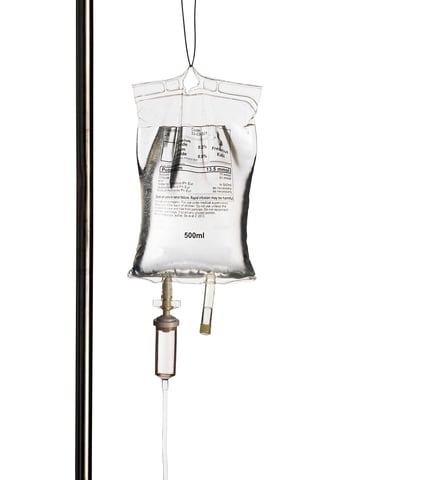
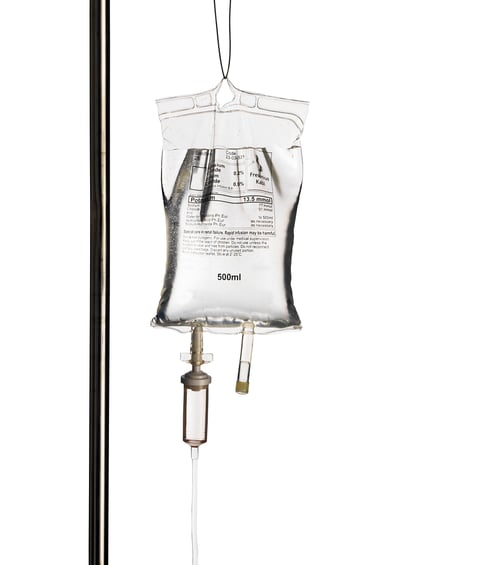
Case Examples: Biologics Interaction with Materials in Pre-filled Syringes and IV Bags
To better understand and address the challenges of surface-induced instabilities in biopharmaceutical development, we conducted two in-house studies. The objective was to investigate how therapeutic monoclonal antibodies interact with materials most commonly encountered during manufacturing, storage, and administration—specifically, those found in pre-filled syringes and IV bags. In these studies, we used QSense QCM-D technology to evaluate both the extent and nature of antibody adsorption to various relevant materials. We also explored how formulation strategies, such as the use of surfactants, can influence these interactions and help mitigate potential incompatibility risks.
Join Our Webinar to Learn More
Discover how QSense QCM-D technology can be used to analyze the adsorption of biologics and excipients to materials involved in the manufacturing, storage, and administration of biopharmaceuticals. We’ll introduce the QSense solution, walk you through two real-world case examples with pre-filled syringes and IV bags, and demonstrate how the technology measures antibody adsorption and the effect of surfactants. The case examples will be followed by a brief demonstration of the QSense Omni instrument and a practical walkthrough of a QCM-D measurement.






%201.png?width=160&name=yousra%20runt%20(1)%201.png)